
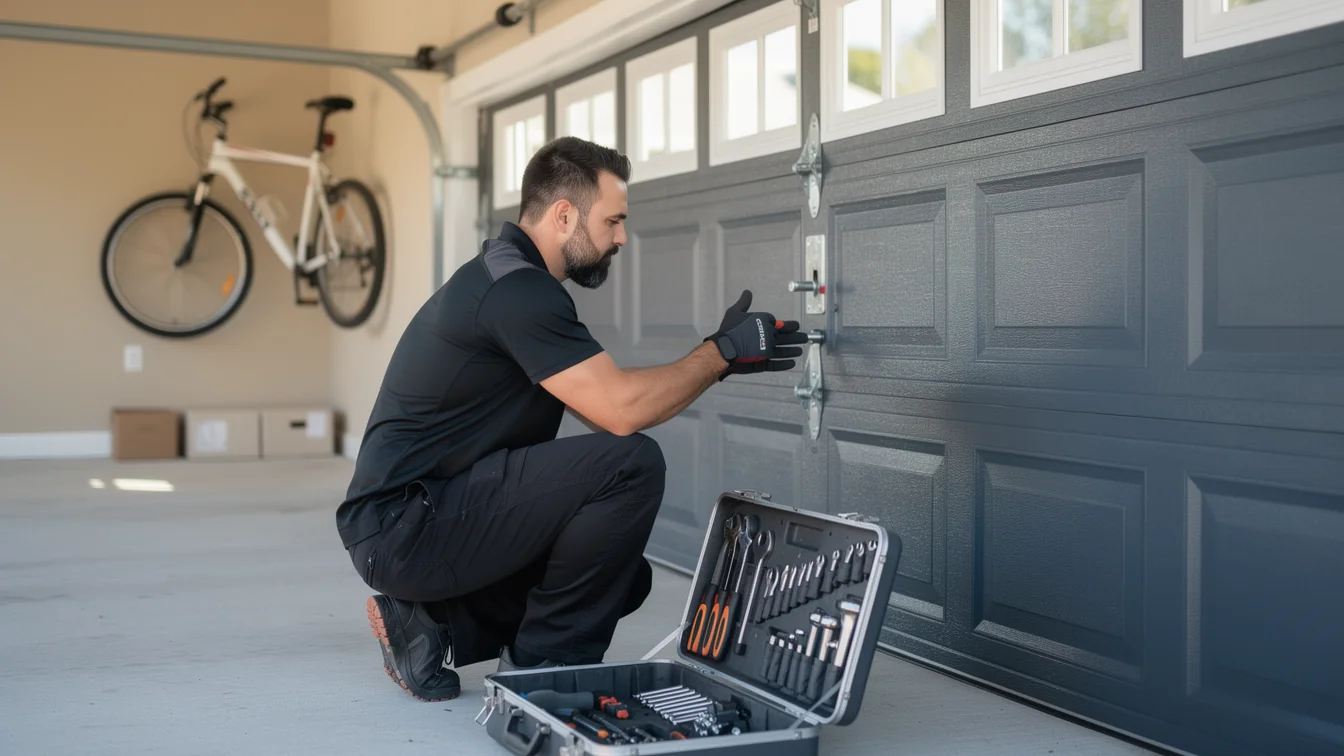
What a Service Call Actually Covers
A breakdown of what a Victorville Garage Door Pros service call includes, tied to the area's 1966-1997 housing stock and high-desert heat.
Read moreMost Victorville garages date to 1966-1997, before modern insulation codes. Here's how that age and the area's heat load show up in the door you've got now.
Local detail
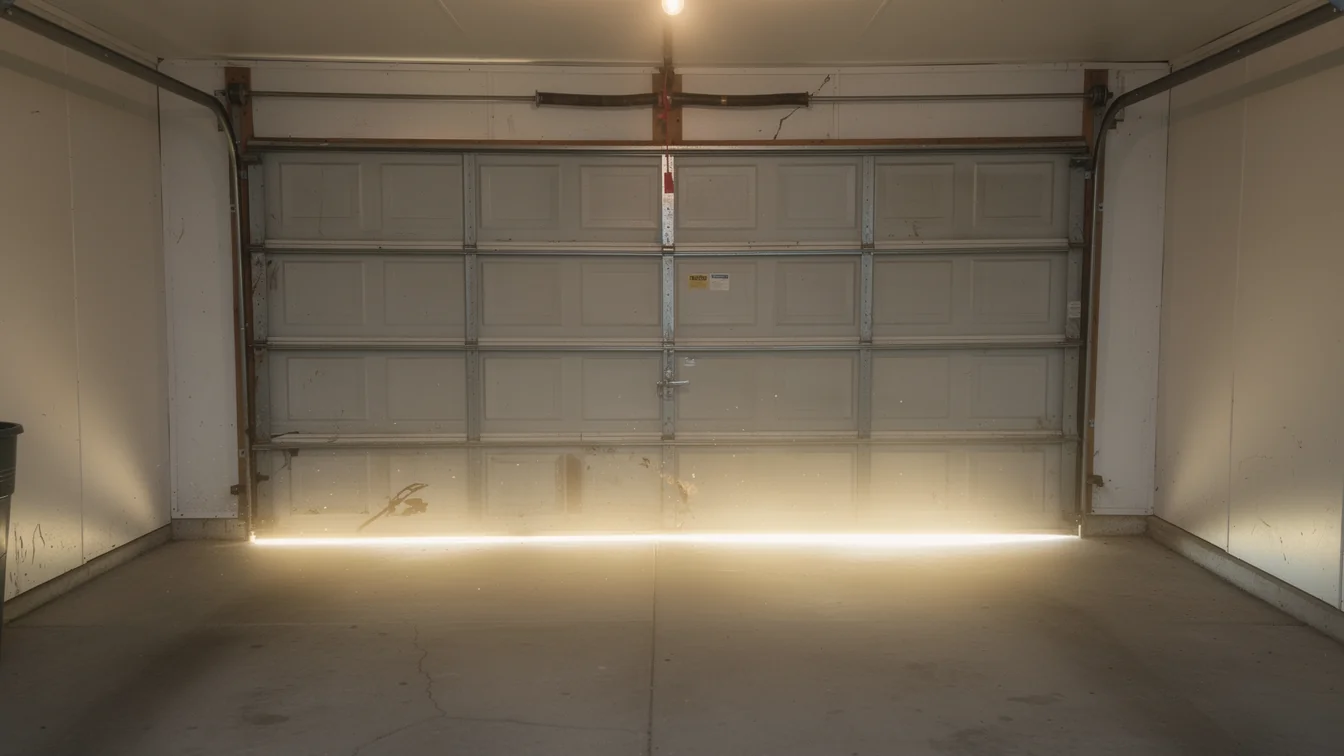
People assume insulation on a garage door is a cold-weather thing, so if the winters here aren't brutal, it doesn't matter. That's backwards for this area. The mistake isn't skipping insulation because of cold - it's not realizing that a bare steel door built to 1980s-90s standards does nothing to block the heat load coming off a sun-facing garage wall all afternoon. The median home in this service area was built around 1989, which puts a lot of original single-layer steel doors still in service, panels that were never spec'd with a thermal break because nobody was asking for one at the time. Homeowners replace a broken spring or a noisy roller and call the door fixed, without ever looking at whether the panel itself is doing any work against heat transfer. The door can be mechanically sound and still be the reason the garage runs 15-20 degrees hotter than the rest of the house. That's not a repair problem. It's an age-of-construction problem, and it gets missed because nothing about it rattles or squeaks.
The area
This area sits in a moderate-heat climate band, which means the stress on a garage door isn't one brutal month, it's steady exposure across most of the year. A single-layer steel door built in the 1980s or 90s wasn't engineered with that kind of sustained heat load in mind - insulation codes that address thermal performance in residential garage doors came later than when most of this housing stock went up, between 1966 and 1997. What that looks like in practice: weatherstripping that was adequate when installed dries out and cracks faster under repeated heat cycling, bottom seals shrink away from the slab, and uninsulated steel panels can bow slightly over the years from uneven heat absorption on the side that faces the sun. None of this is dramatic. It shows up as a door that's harder to close flush, a gap at the bottom you didn't used to have, or a garage that stays warm long after sundown. The door isn't broken in the way a spring is broken. It's doing exactly what a non-insulated panel from that era was built to do, which was never much against heat.
What we find
Across the areas we work in - Mountain View Acres, Spring Valley Lake, Adelanto, Apple Valley, Oak Hills, Phelan, Piñon Hills, and Crestline - the housing is overwhelmingly from that same 1980s-to-90s window. That consistency matters: it means the garage door problem we're describing isn't a one-off on one street, it's the default condition for a big share of the houses in the service area. With a median household income of $74,778 across roughly 52,000 households and about 34,000 owner-occupied houses in the area, a lot of owners are weighing a $150 weatherstrip-and-seal job against a full door swap, and that's a reasonable thing to weigh - it's not always worth replacing a structurally sound door just because the panel is uninsulated. Where it does matter more is on an attached garage used as living space or workshop, where the heat load actually reaches the house. On a detached garage used for storage, the same age and the same lack of insulation is a much smaller problem. The right call depends on how the space gets used, not just how old the door is.
How we work
Start with the bottom seal and the side weatherstripping - on a door from this era, these are consumable parts that have usually been replaced once or twice already, and if they're cracked or pulled away from the track, that's your biggest heat leak and the cheapest fix. Next, check the panel itself for a slight bow, most visible by sighting down the door from one side - steel panels from the 1980s and 90s that have taken years of one-sided sun exposure sometimes develop this, and it's a sign the panel is near the end of its service life regardless of insulation. Third, look at whether the door has any insulation at all - a single layer of steel with ribbing on the inside, no foam backing, is what most original doors from this build era have. We don't retrofit foam into an existing steel skin; that's not a repair we do, because it rarely holds up and the labor cost gets close to just replacing the panel. If the seals are shot and the panel's sound, fix the seals. If the panel's bowed or the door's original, insulated replacement is usually the better money.
Questions
If your house was built in the 1966-1997 range, which covers most of this service area, your original door almost certainly has no foam insulation at all - just a single steel skin. We don't retrofit insulation into that skin; it's cheaper and more durable to replace the panel with an insulated one if the heat load in your garage actually bothers you.
A door can be mechanically sound - springs balanced, opener working - and still be a single layer of uninsulated steel from the 1980s or 90s. In this area's moderate-heat climate, that panel absorbs heat all day and re-radiates it into the garage. Looking fine and performing well against heat are two different things on a door this age.
Depends on what you find. If the weatherstripping and bottom seal are cracked but the panel is flat and sound, reseal it - that's the cheaper fix and it handles most of the heat leak. If the panel itself has bowed from years of one-sided sun exposure, resealing won't fix that, and replacement is the better money.
Recommendation
More garage door guides for Victorville homeowners.
A breakdown of what a Victorville Garage Door Pros service call includes, tied to the area's 1966-1997 housing stock and high-desert heat.
Read more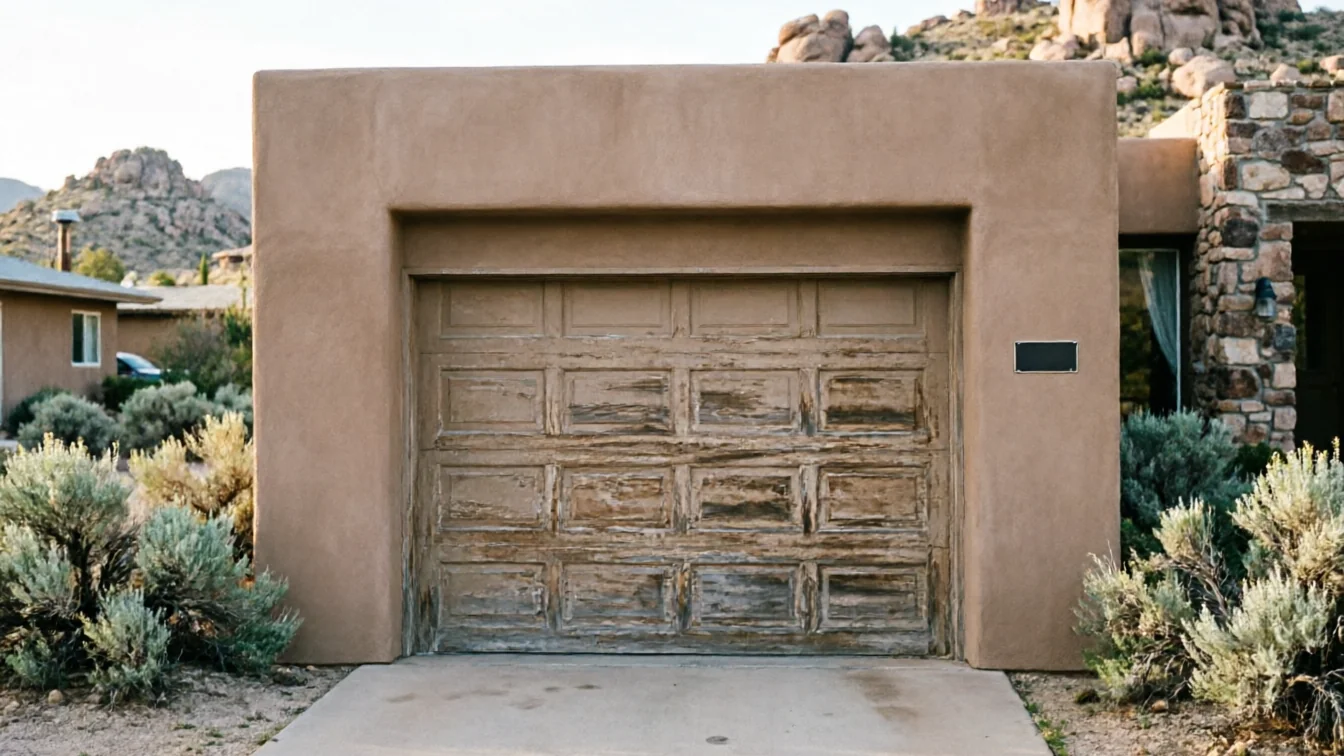
Victorville homes mostly date to 1966-1997.
Read more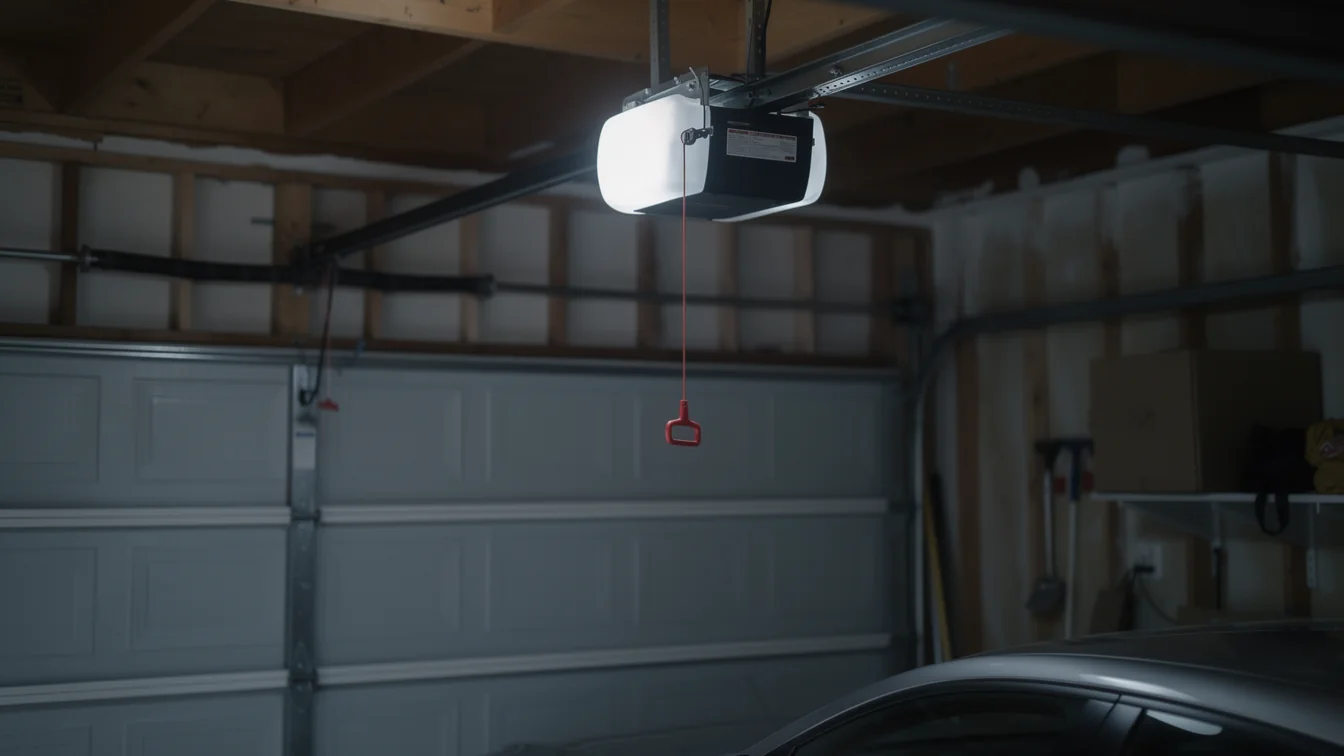
Victorville homes built mostly 1966-1997 often run original openers with no battery backup.
Read moreReady when you are
Victorville Garage Door Pros repairs and installs garage doors, springs and openers in Victorville, CA and the surrounding area.