What Victorville's Pre-1990s Housing Means for Your Garage Door
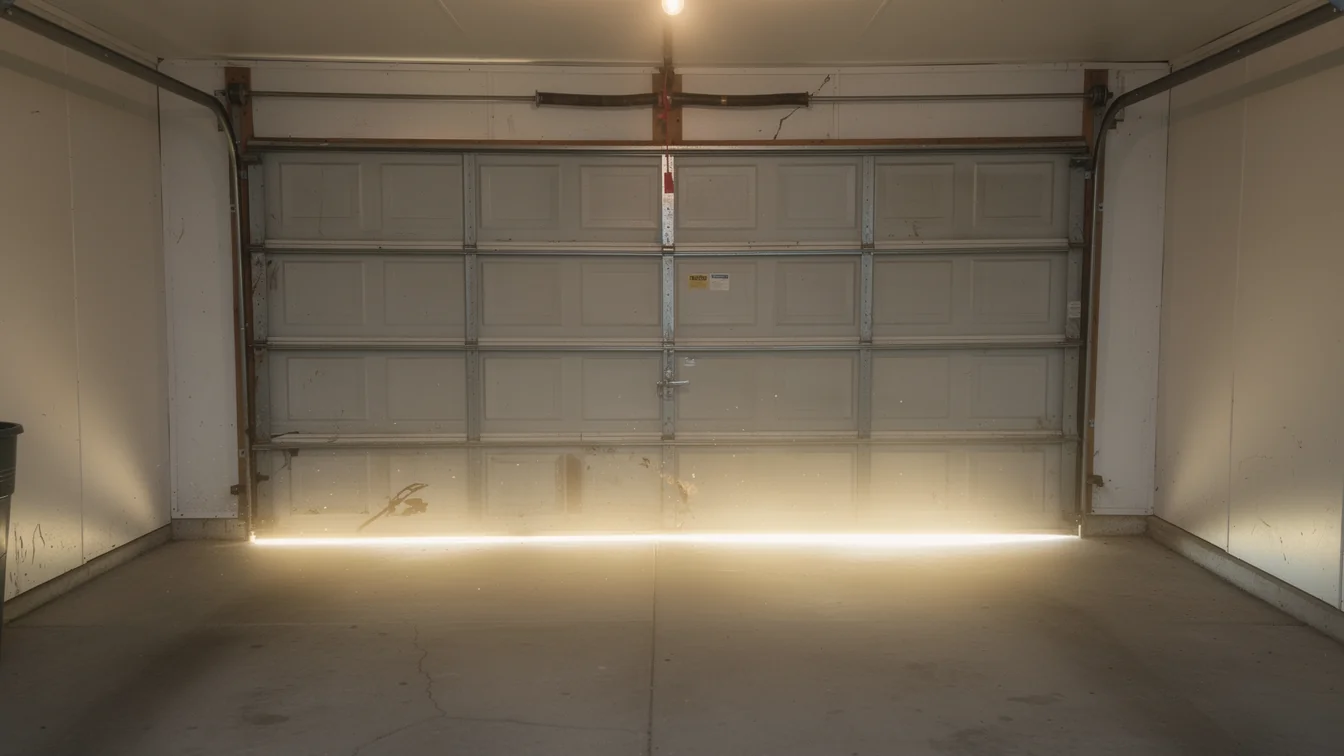
Most Victorville garages date to 1966-1997, before modern insulation codes.
Read moreVictorville homes mostly date to 1966-1997. Here's how that build era and the High Desert heat decide whether your garage door is worth repairing.
Local detail
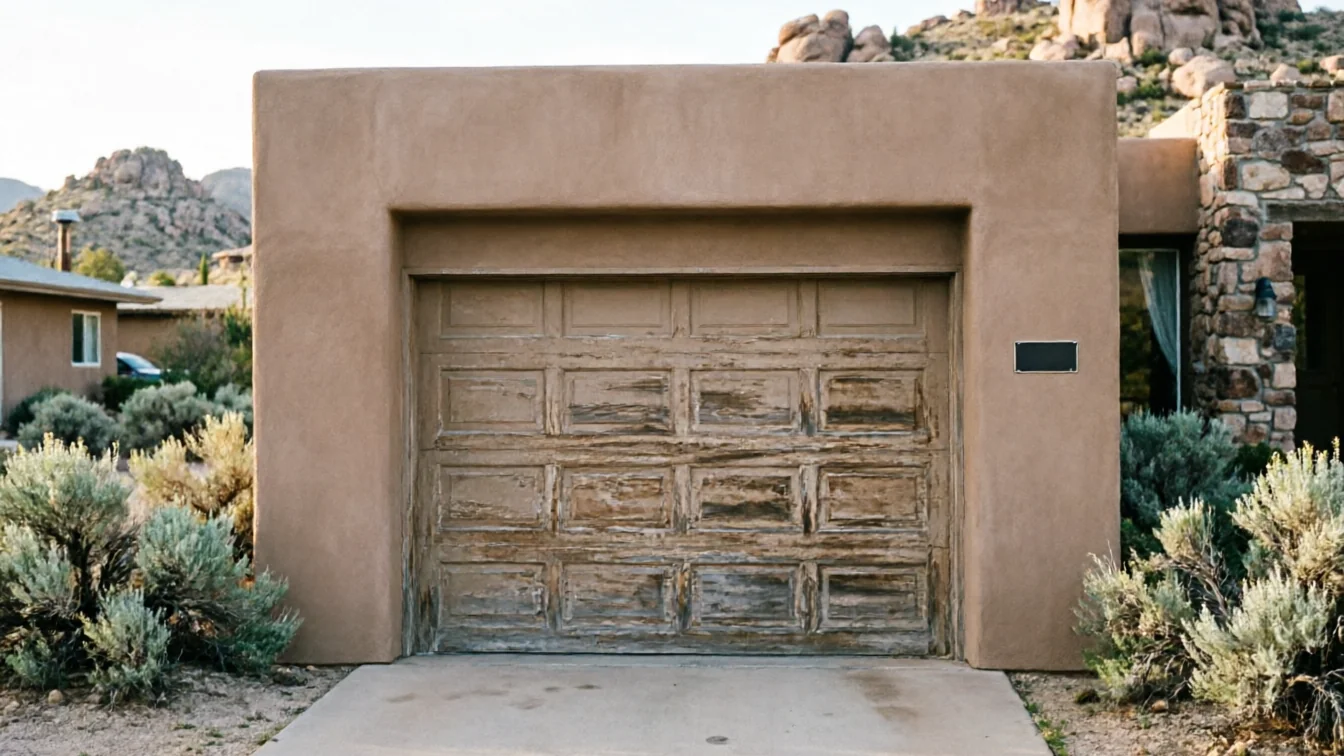
The mistake we see most is treating every old door the same way - either writing it off as junk the moment a spring snaps, or pouring money into a door that's already lost the fight. Most of the housing stock here went up between 1966 and 1997, with the median build year landing around 1989, so the garage door hanging on many of these homes is pushing into its third or fourth decade. That age alone doesn't mean replace it. A steel door with a sound frame and a dead spring is a cheap fix. A door with a warped panel, a bent track, and an opener from the same build year is a different conversation, because by the time you've replaced three failing parts you've spent most of what a new door costs. The decision isn't about the door's age in years. It's about what's actually failed versus what's just tired.
The area
Victorville sits in a HEAT-moderate climate band, which doesn't sound dramatic next to the record-breaking headlines from other desert towns, but it still does steady damage over thirty years. Heat cycles the metal in torsion springs and dries out the lubricant in rollers and hinges faster than a door in a milder climate would see. On a door built in the 1980s or 90s, that's three decades of expansion and contraction on hardware that was never rated for a forever lifespan anyway - torsion springs are rated in cycles, not years, and heat shortens the math. This matters when you're deciding what to fix: a spring that's failed from normal heat-driven fatigue is worth replacing on an otherwise solid door. A track that's warped from heat plus age, on the other hand, is a sign the whole assembly has been working harder than it should, and patching just one part of it rarely holds.
What we find
Across the service area, roughly 52,464 households include about 33,942 owner-occupied houses, and the bulk of them - spread across eight named pockets of town, whether that's closer to Spring Valley Lake or out toward Oak Hills - were built in the 1980s and 90s stretch of that 1966-1997 window. That means a lot of driveways are still running close to the original door and opener the house came with. These doors are typically single-layer steel with little to no insulation, on tracks and hinges that were standard for the era but aren't built the way current doors are. If your door is from that build window and hasn't been touched, you're not dealing with a fluke failure - you're dealing with hardware that's simply at the end of its expected service life, and the parts for it are getting harder to source every year.
How we work
Start with the spring and the track, not the opener. If the door is hard to lift by hand with the opener disconnected, the spring is losing tension - a cheap, worth-it fix on an otherwise good door. Next, check the track for rust pitting or bowing; a track that's bent at the curve usually means the rollers have been grinding against it for years, which is a bigger job. Look at the panel itself for rust-through or delamination at the bottom, common on doors from this build era that were never insulated. At a median household income of $74,778 here, most owners are weighing something like a spring repair against a full replacement, not an unlimited budget either way, so it's worth getting a straight answer on what's actually broken before paying for more. One honest limit: once a door needs a new spring, a new track, and a new opener in the same visit, we'll usually tell you replacement makes more financial sense than three separate repairs.
Questions
Often yes, if the problem is isolated - a broken spring or a worn roller on an otherwise straight track and solid panel. Victorville's housing stock leans heavily into that build era, and plenty of those original doors just need the wearable parts replaced, not a full swap.
Yes. The area sits in a moderate-heat climate band, and sustained heat cycles dry out lubricant and fatigue torsion spring metal faster than a cooler climate would. On a door already in its third decade, that heat exposure adds up and often shows up as a spring failure before anything else.
If your home was built in the 1980s or 90s window common across this area and the opener looks dated with a non-rolling code remote, it's likely original or close to it. We can tell you on site whether it's worth replacing versus repairing the door hardware around it.
Recommendation
More garage door guides for Victorville homeowners.
Most Victorville garages date to 1966-1997, before modern insulation codes.
Read more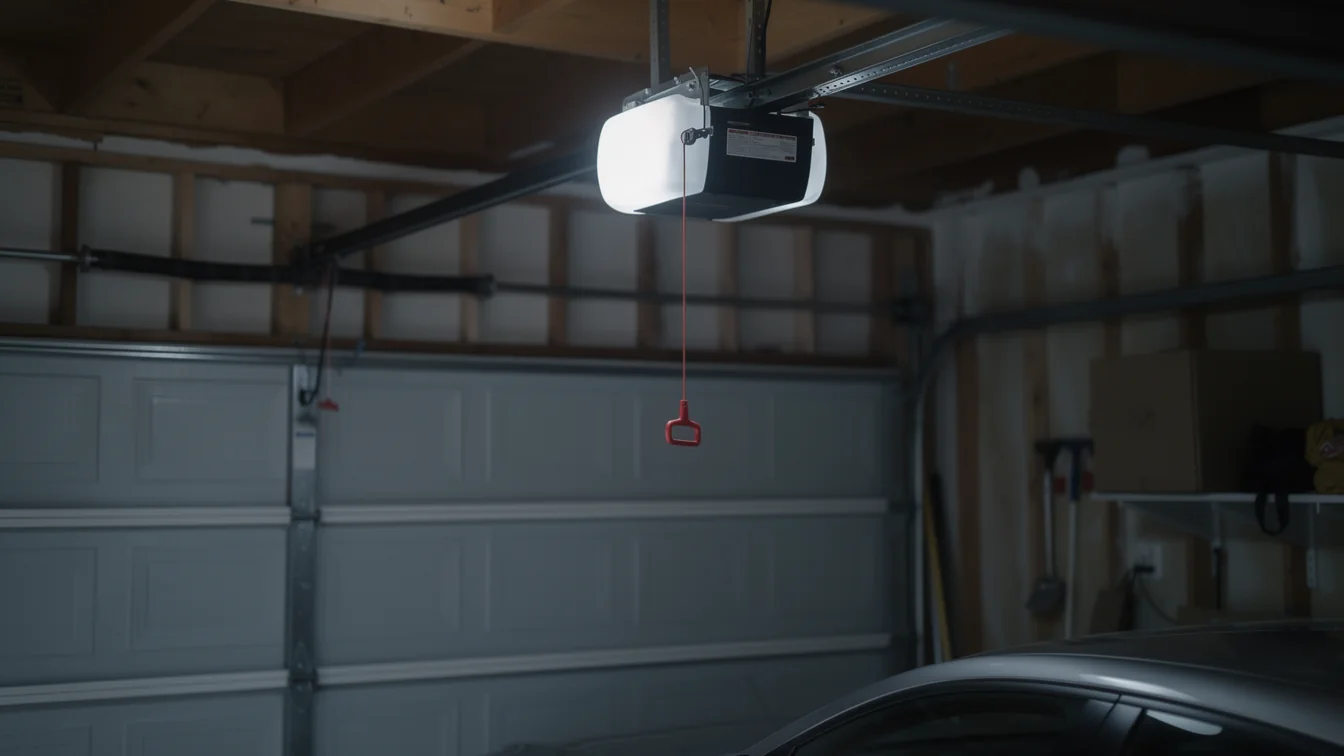
Victorville homes built mostly 1966-1997 often run original openers with no battery backup.
Read more
A breakdown of what a Victorville Garage Door Pros service call includes, tied to the area's 1966-1997 housing stock and high-desert heat.
Read moreReady when you are
Victorville Garage Door Pros repairs and installs garage doors, springs and openers in Victorville, CA and the surrounding area.