
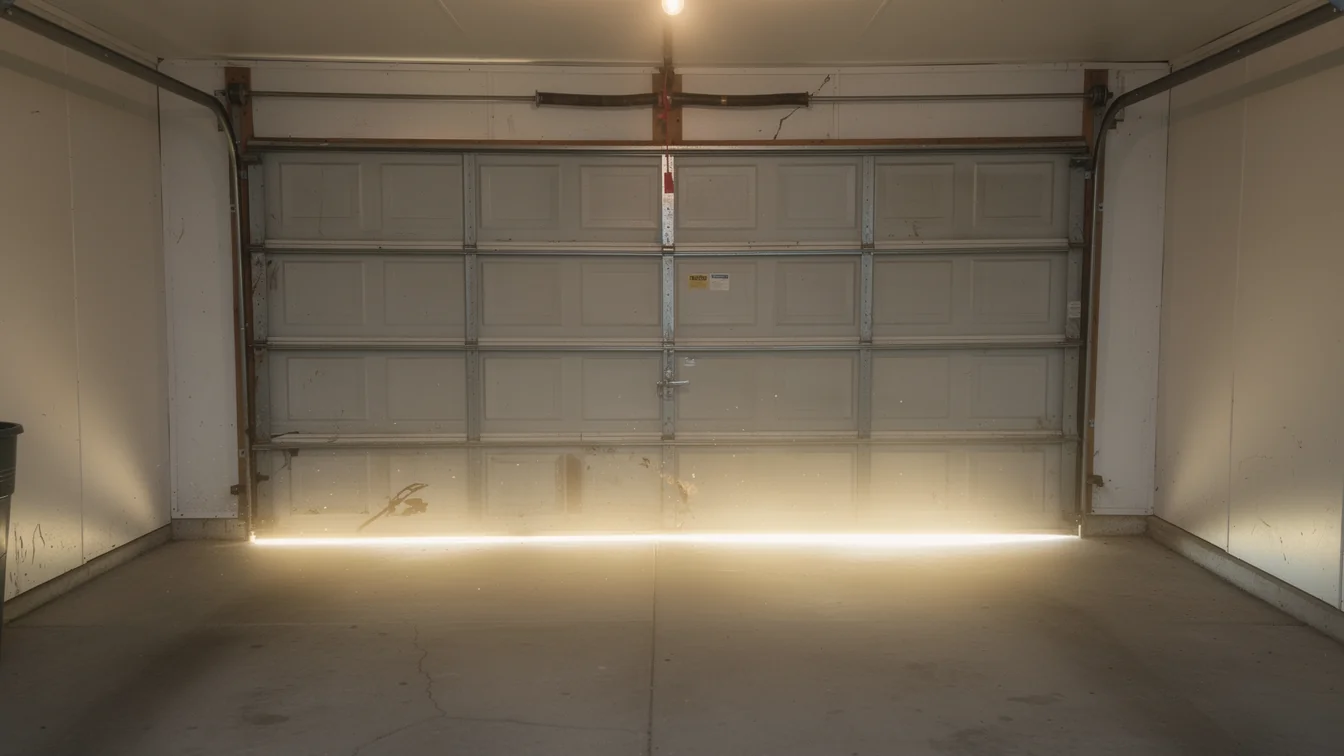
What Victorville's Pre-1990s Housing Means for Your Garage Door
Most Victorville garages date to 1966-1997, before modern insulation codes.
Read moreA breakdown of what a Victorville Garage Door Pros service call includes, tied to the area's 1966-1997 housing stock and high-desert heat.
Local detail
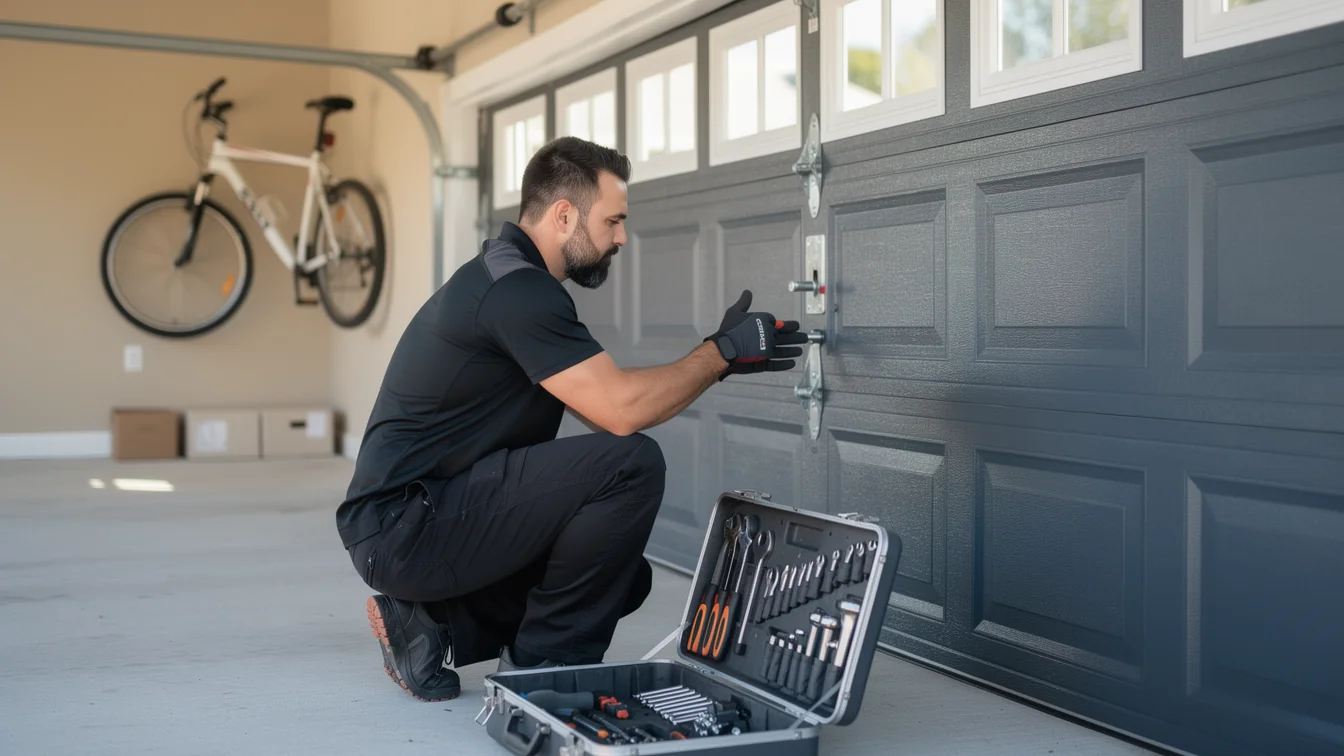
Most homeowners call and ask for "a tune-up" without knowing what that means on their specific door. In Victorville, that's a problem because the housing stock here runs 1966 to 1997, with a median build year around 1989. A door that's original to a 1970 house and one that's original to a 1994 house have different spring sizes, different track gauges, and different opener mounts. A generic once-over skips the one thing that's actually wrong. The common mistake is treating a service call like an oil change instead of a diagnosis specific to the hardware in front of us. We see a lot of doors where a previous visit tightened bolts and lubed rollers but never checked whether the torsion spring was rated for the door's actual weight - which matters more on the heavier insulated doors that went in during the 1980s and 90s retrofit wave across this area's eight named pockets, from Mountain View Acres out toward Spring Valley Lake. A real call starts with what year the door is, not a checklist that ignores it.
The area
Victorville sits in a moderate-heat climate band, and that shows up in the materials more than people expect. Steel panels and nylon rollers that cycle through hot afternoons and cooler nights expand and contract daily. Over a few decades, that cycling loosens hinge screws, dries out factory lubricant, and can warp thin-gauge panels on the sun-facing side of a garage - which on an east-west street layout is usually one whole wall of the door, not just a corner. On houses from the 1966-1997 build range, the original galvanized hardware wasn't always finished for that kind of repeated heat exposure, so corrosion on cables and springs shows up as pitting rather than rust streaks. A service call here checks for that pitting specifically, because it's the kind of wear that looks fine from three feet away and fails without much warning. This isn't a coastal-humidity problem or a snow-load problem. It's dry heat fatigue on hardware that's now 25 to 55 years old, and that's the piece a generic inspection list won't catch.
What we find
Across the service area there are roughly 52,464 households and about 33,942 owner-occupied houses, with a median household income of $74,778. That matters for how we scope a call: most owners here are weighing a $150-300 repair against a $900-1,800 full replacement, and the honest answer depends on the door's age and how many of its original parts are still on it. If your door is from the earlier end of the 1966-1997 range, parts like the original torsion spring size or the track bracket pattern may not match what's stocked today, and a repair can take longer to source than a straight swap. If it's from the 1989-1997 end, closer to the area median, parts availability is usually better and a targeted repair makes more sense. We won't push a full replacement on a door that just needs a spring and a cable - but we also won't spend two hours chasing parts for a 1968 track system when a new one costs less than the labor to keep patching it.
How we work
Before you call, open the door manually (with the opener disconnected) and see how it moves. A door that's hard to lift by hand usually means a weak or broken spring, not an opener problem - a common mix-up that leads people to replace a motor that was never the issue. Check the bottom panel for warping if it faces direct afternoon sun; that's the heat-cycling wear we see often on older stock in this area. Look at the cables for fraying or rust pitting near the bottom roller brackets. And check the age of the door against the 1966-1997 build range for this area - if you don't know your house's build year, the permit or prior inspection paperwork usually has it, and that one number tells us more than a phone description of "it's making a noise." One limitation worth saying up front: we don't carry every obsolete bracket or spring size on the truck, so a door with an unusual original part may need a follow-up visit once we've sourced it.
Questions
It depends mostly on the door's age and which original parts are still on it. Doors from the earlier end of the 1966-1997 range here often have harder-to-source parts, which can tip the math toward replacement. Doors closer to the 1989 median usually repair more cheaply. We'll tell you the real number for your door, not a default answer.
This area's moderate-heat climate band means one side of a garage door - usually the sun-facing side - cycles through more heat expansion and contraction than the other. Over years, that uneven stress on steel panels can warp the sun-exposed side, especially on original doors from the 1966-1997 build range.
Not always. Doors from the earlier end of the local 1966-1997 build range sometimes used spring sizes or bracket patterns that aren't common stock today. If your door needs one of those, we may need a follow-up visit once the part is sourced, rather than finishing everything in one trip.
Recommendation
More garage door guides for Victorville homeowners.
Most Victorville garages date to 1966-1997, before modern insulation codes.
Read more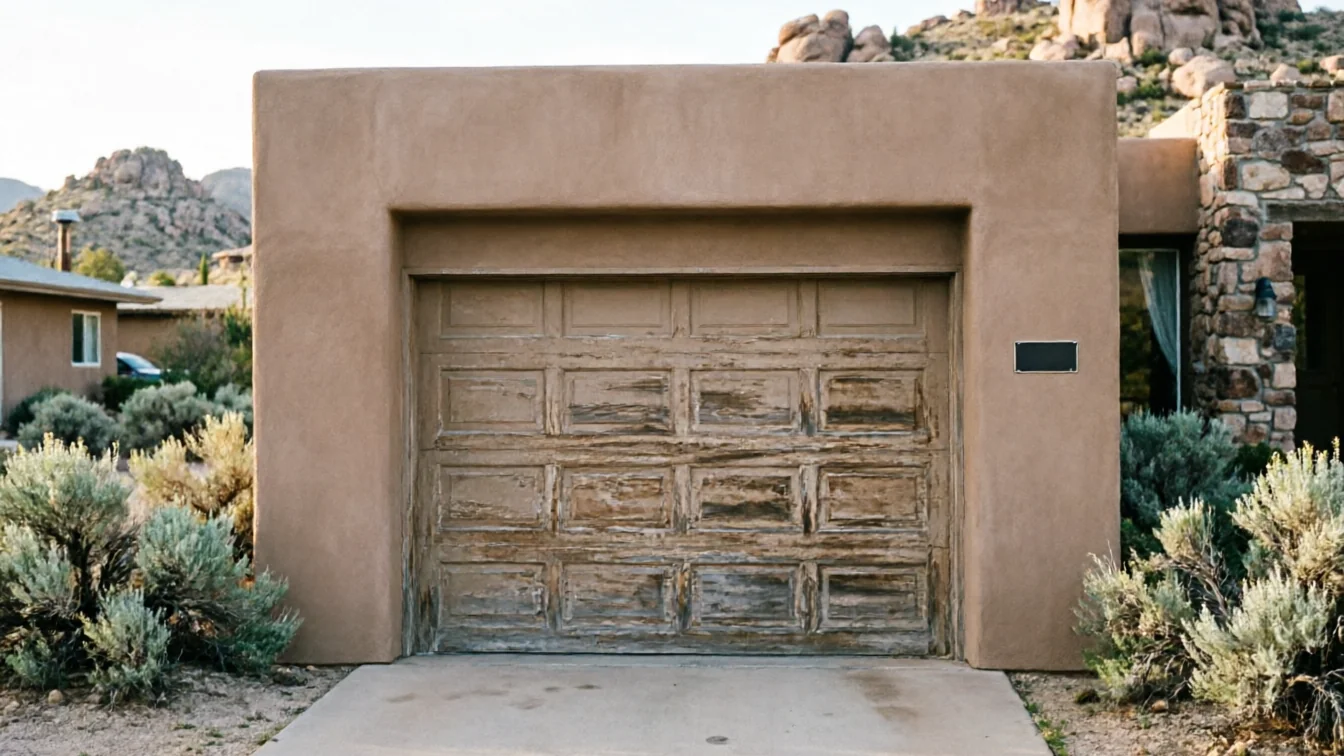
Victorville homes mostly date to 1966-1997.
Read more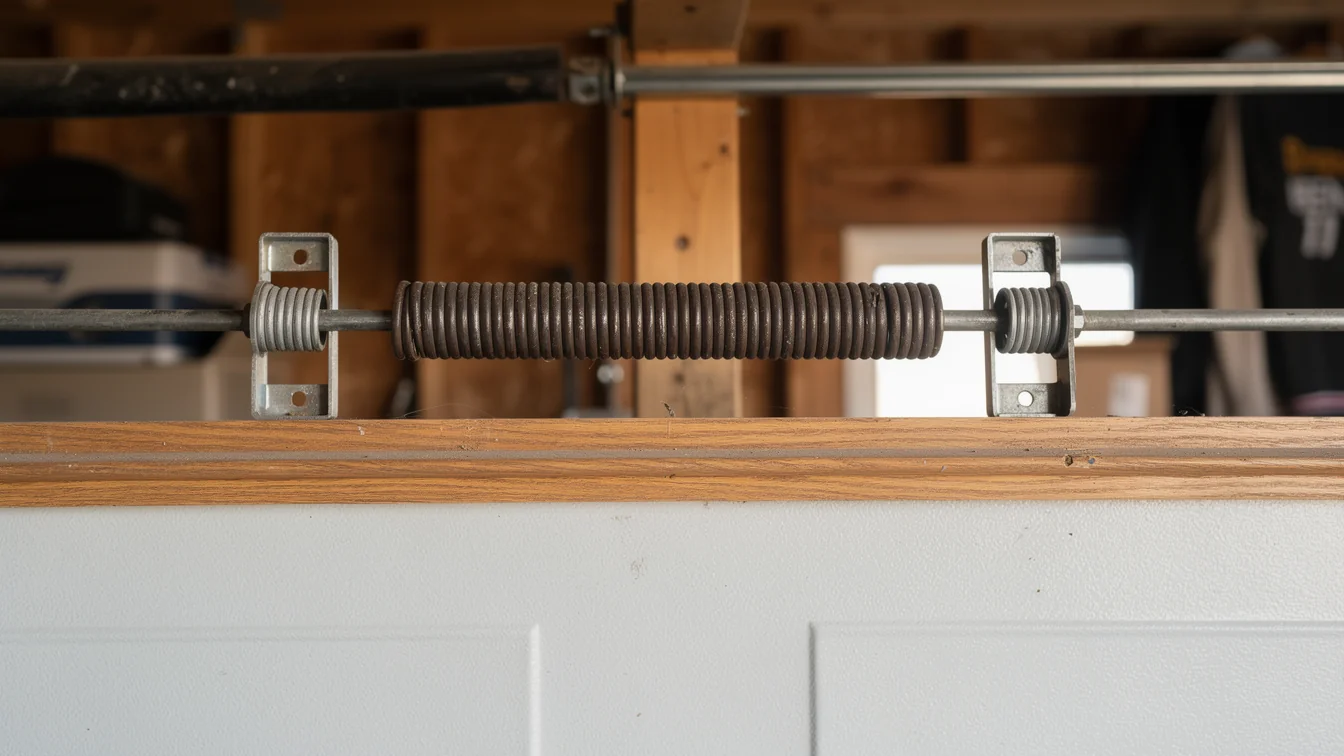
Victorville Garage Door Pros look at why springs on 1966-1997 era homes across the service area fail more often on cold mornings, and what to check first.
Read moreReady when you are
Victorville Garage Door Pros repairs and installs garage doors, springs and openers in Victorville, CA and the surrounding area.