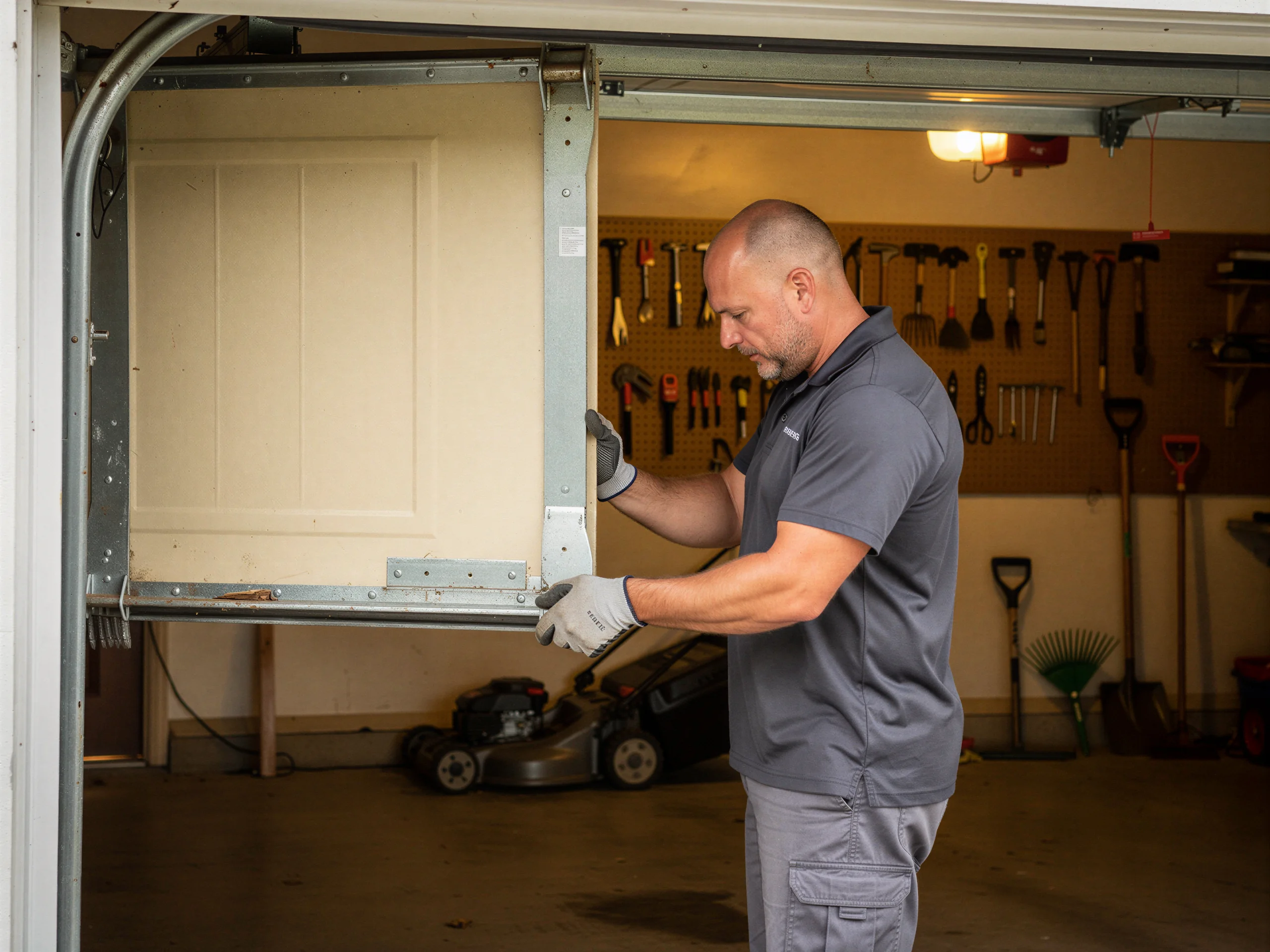
Booking a Visit
Spring Valley Lake sits about 5 miles from our Victorville shop, close enough that a morning call usually gets a same-day slot without the drive eating into the appointment window.
House age sets springs
When you call, tell us the age of the house if you know it - homes here mostly date to around 1987, and that one detail tells us a lot about what spring system and track width we're likely dealing with before the truck even leaves.
Describe symptoms when booking
We book by the job, not a flat-rate truck roll, so describe what's happening: door won't open, loud bang, one side hanging lower than the other. That gets you the right tech and the right parts on the first trip instead of a second visit after a wrong guess.
Short drive, same response
We don't keep a branch in Spring Valley Lake itself - every job here comes out of Victorville - but the distance is short enough that it doesn't change how fast we can get a crew on site or what we charge once we're there.
What Can Go Wrong
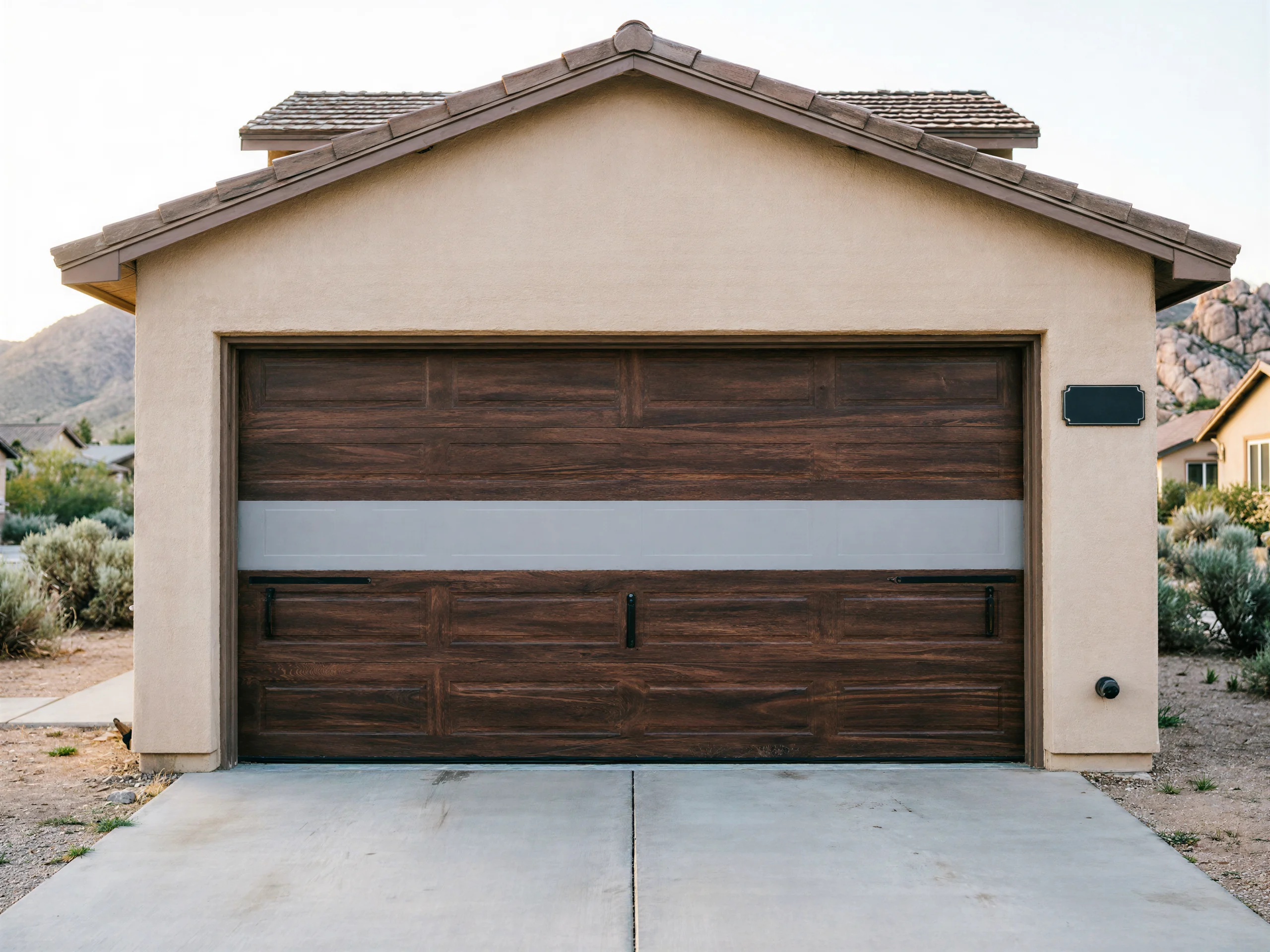
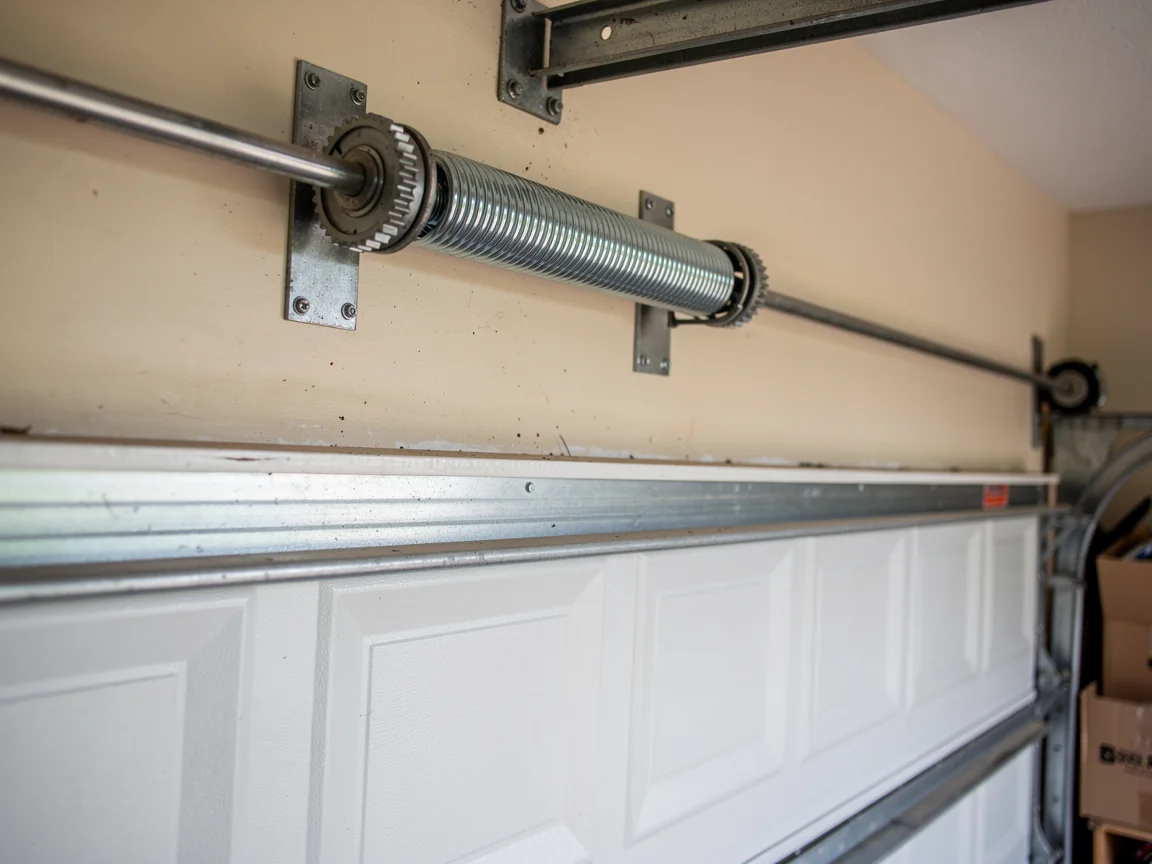
A house built in the late 1980s almost always went up with galvanized steel doors on extension springs mounted along the horizontal track, not the torsion bar setup that became standard in newer construction.
Extension springs stretch and fray
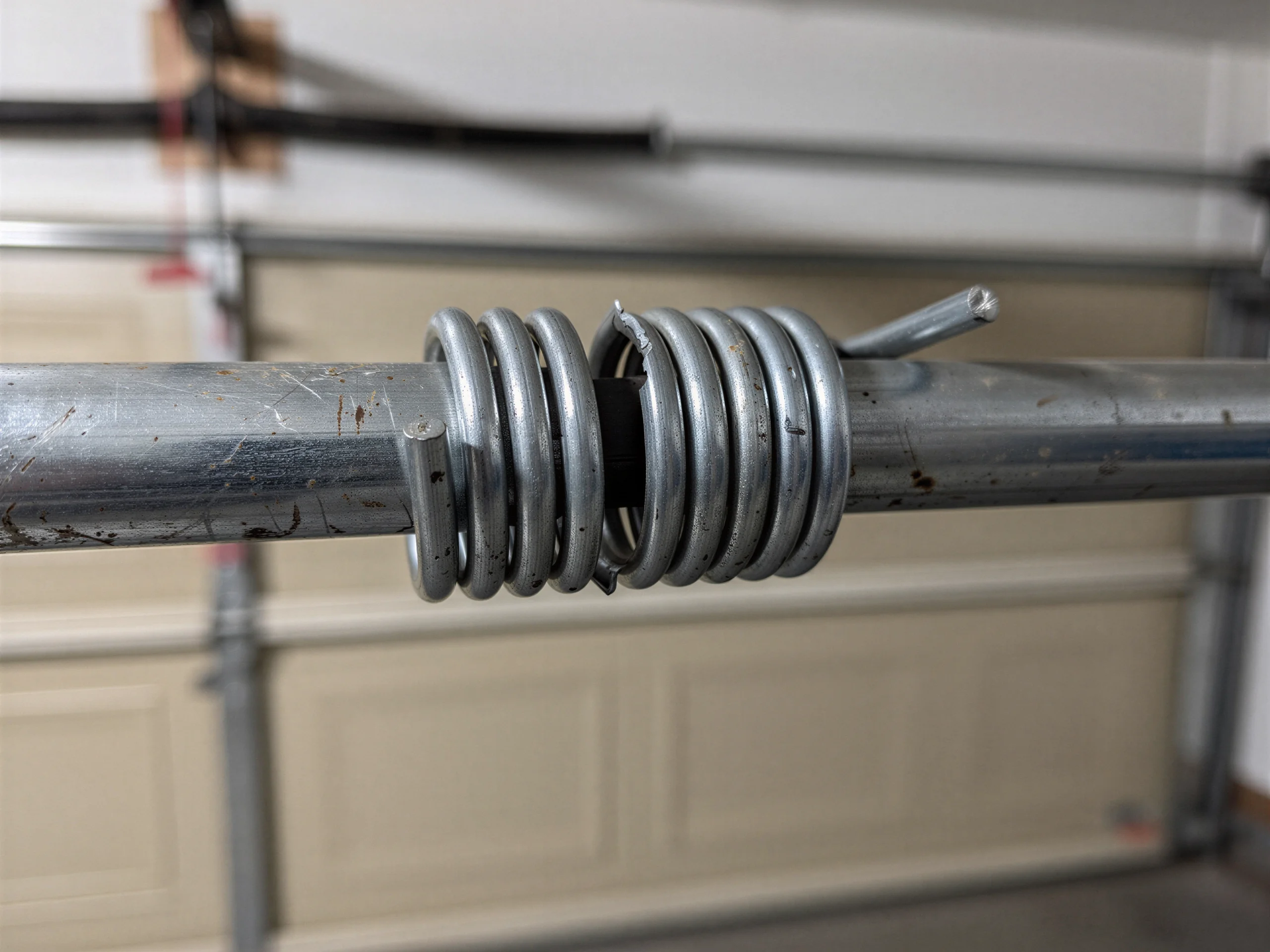
Extension springs from that era are the ones that stretch and fray rather than fatigue cleanly, and after three decades most of them are at or past the end of their safe cycle life.
Missing safety cable risk
The safety cables that are supposed to run through them are a retrofit item on a lot of these doors - if the house hasn't been updated, that cable may not be there at all, which turns a snapped spring into a door panel coming down with nothing to catch it.
Loud galvanized rollers
Rollers on 1980s doors are often the original galvanized steel type, which get loud and start binding in the track well before they fail outright. Openers from a remodel in the 2000s sometimes got bolted onto original hardware that was never upgraded to match, which is its own mismatch of forces on an old track.
The Cost of This Job
We don't quote a number without seeing the door, but the job mix in Spring Valley Lake skews toward spring and cable work rather than full door replacement, because the steel panels from the late 1980s tend to outlast their hardware. Replacing a pair of worn extension springs costs less than a torsion conversion, and a torsion conversion costs less than swapping the whole door. Household income in this suburb runs higher than the service-area median, and we see that reflected in more owners opting to add the safety cable retrofit or upgrade to a torsion system while we're already in there, rather than just replacing the failed part and calling it done. That's a choice, not a requirement - a straight spring swap gets the door working again and there's nothing wrong with stopping there.
How We Fix It
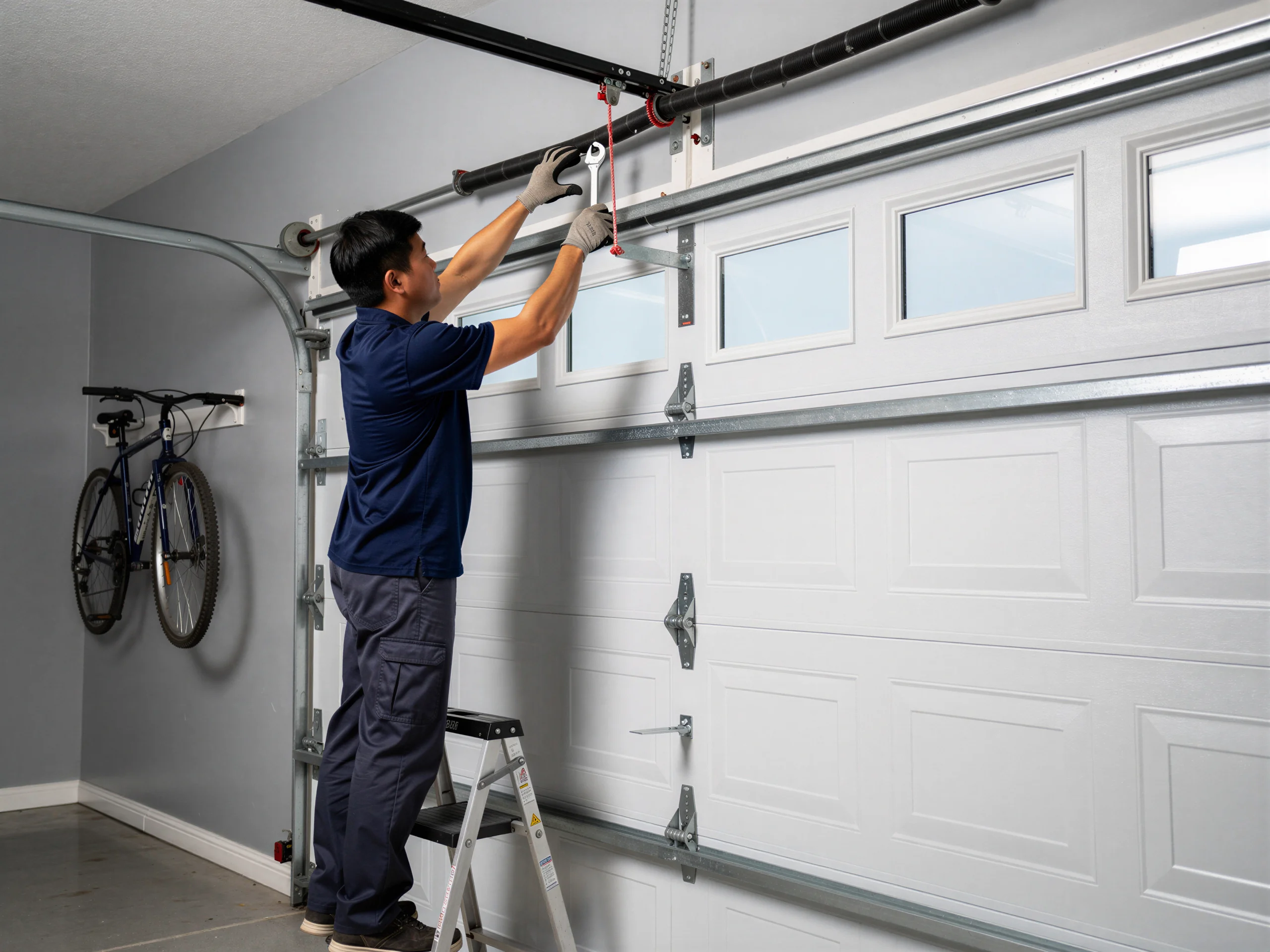
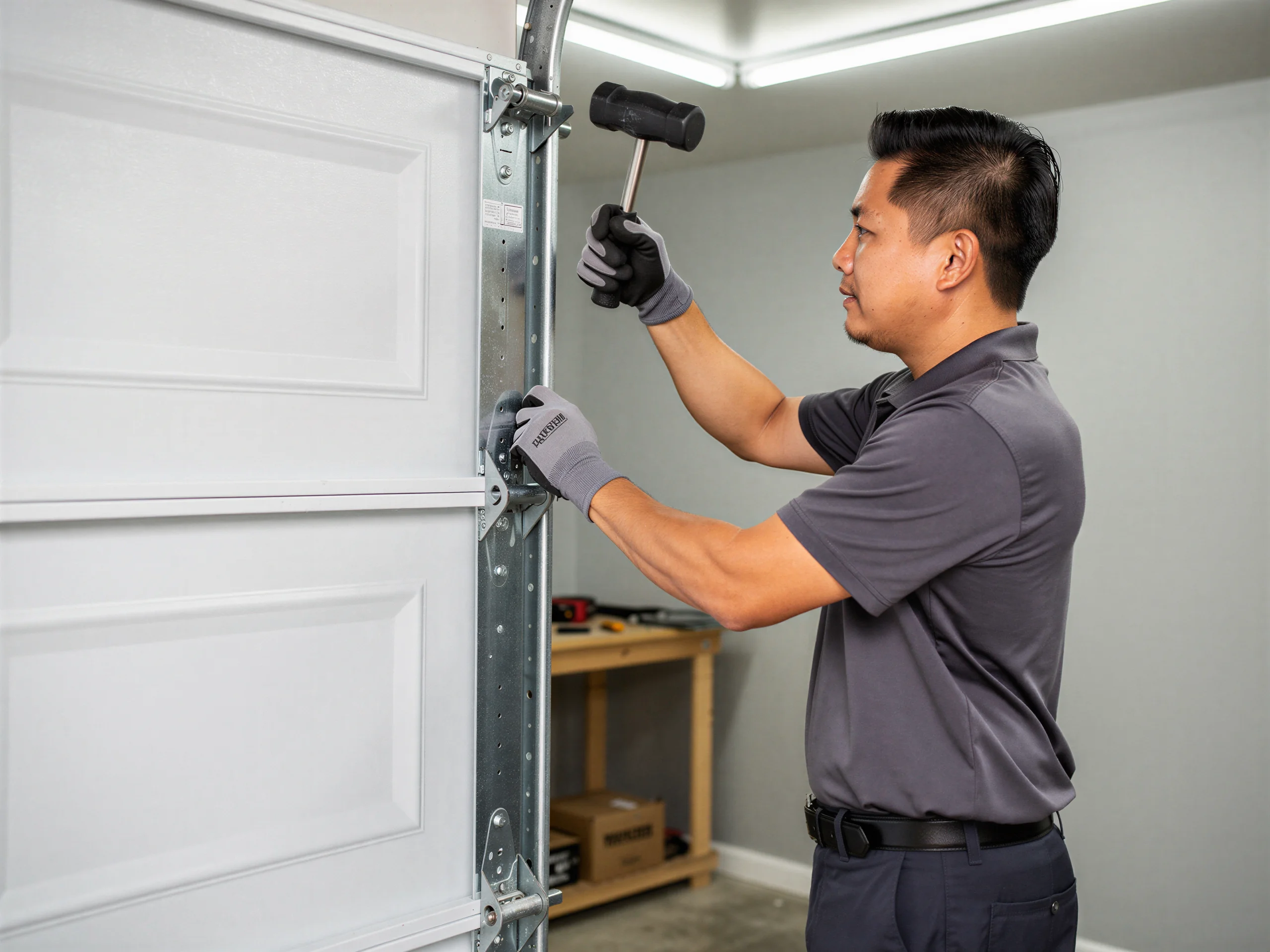
On a late-1980s extension spring door, the fix starts with matching spring wire gauge and length to the actual door weight, not just swapping in whatever's closest on the truck - undersized springs on these older steel doors fail again within a year.
Adding a safety cable
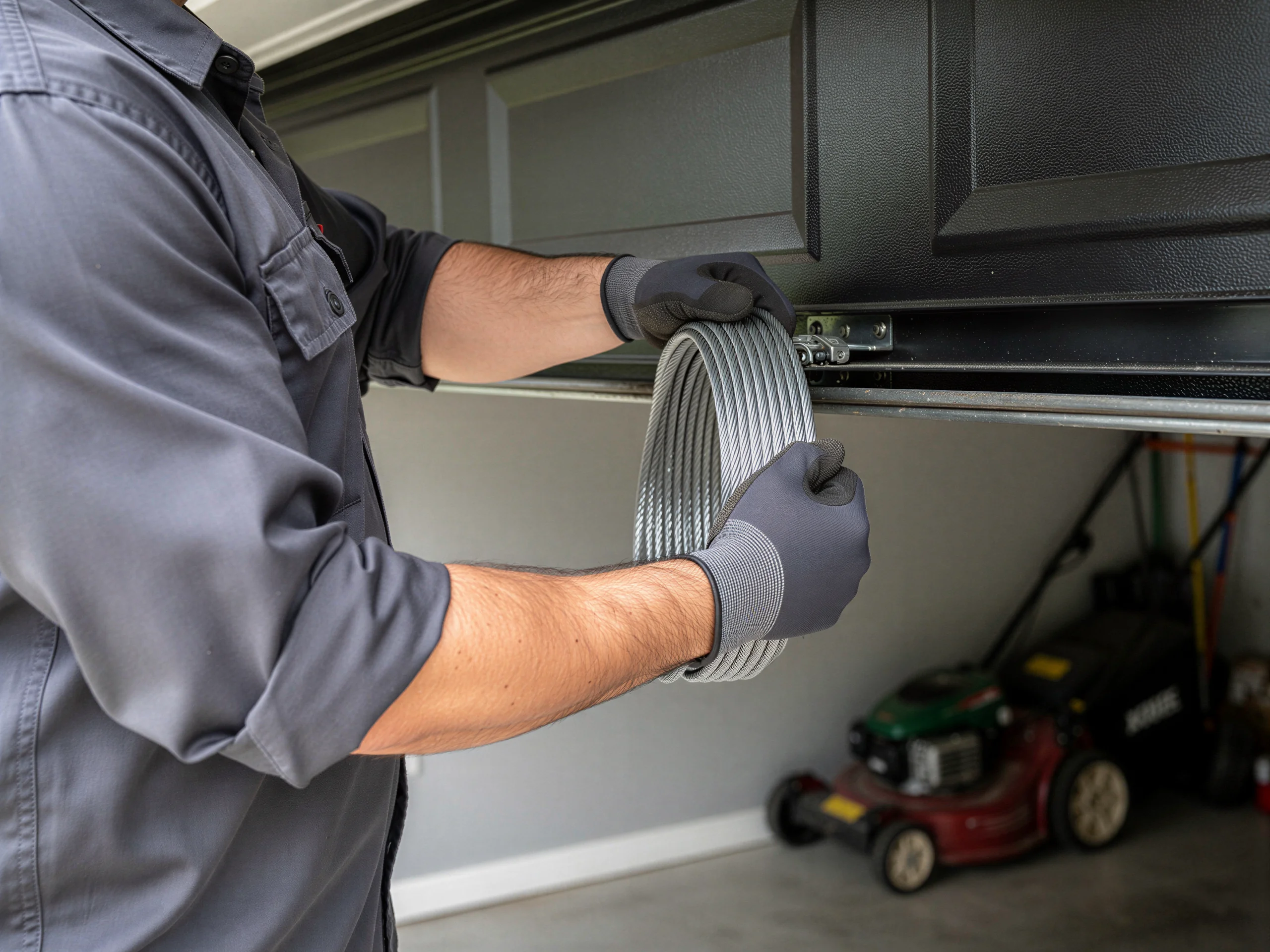
If there's no safety cable running through the spring, we add one; it's a small part and the one piece of hardware that keeps a broken spring from becoming a falling door.
Nylon rollers and travel limits
Worn galvanized rollers get replaced with nylon, which runs quieter and doesn't score the track the way thirty-year-old steel does. If the opener was added later and doesn't match the drive mechanism to the track hardware, we check travel limits and force settings rather than assuming factory defaults are still correct.
Replacement is better money
One limit on this: if the door panel itself has rusted through at the bottom or the track is bent beyond pulling straight, we'll tell you replacement is the better money, not a patch that fails again in six months.
Talk to a local pro
Garage door service in Victorville?
Same-day service with honest, upfront quotes.