How We Fix It
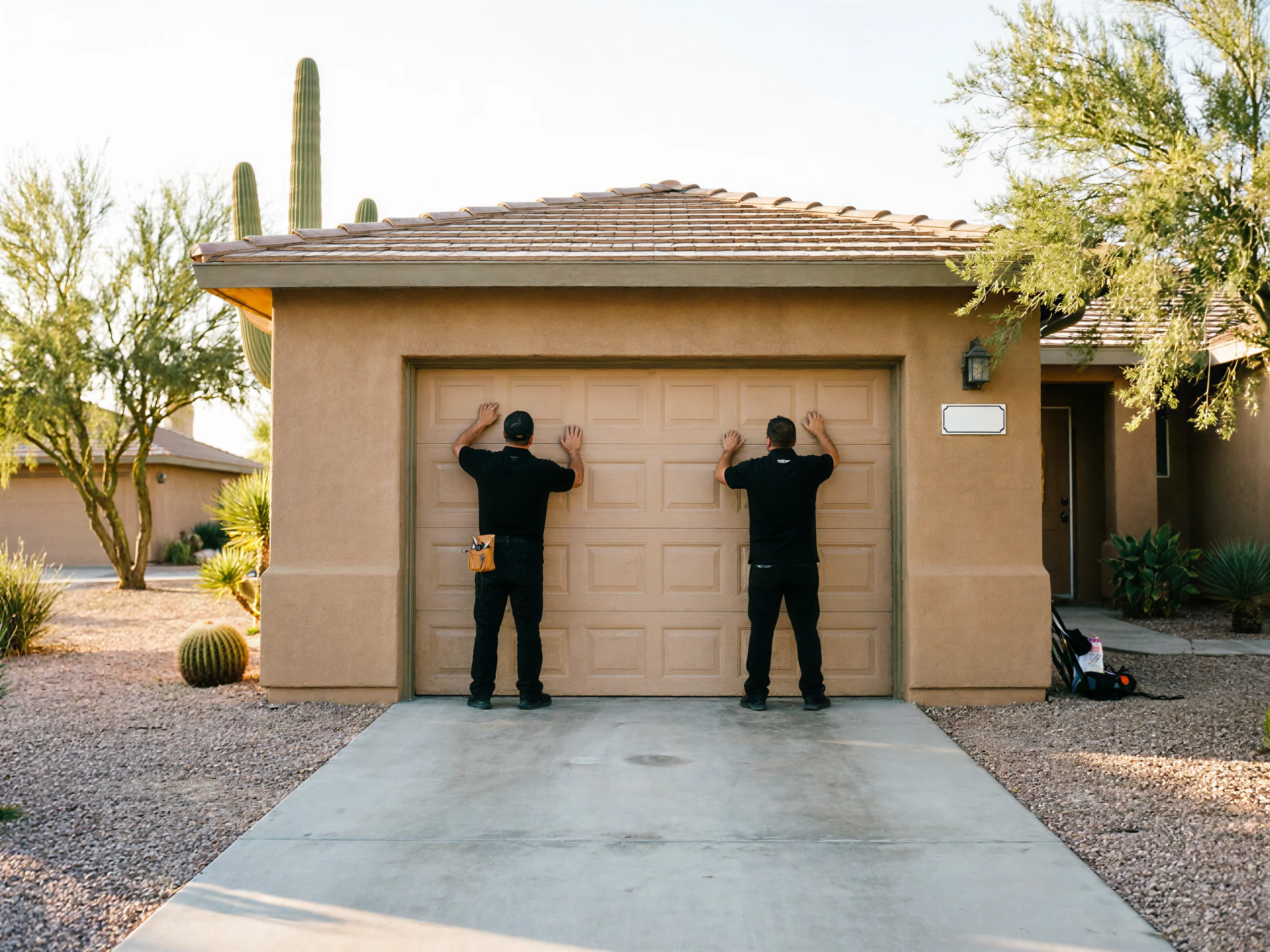
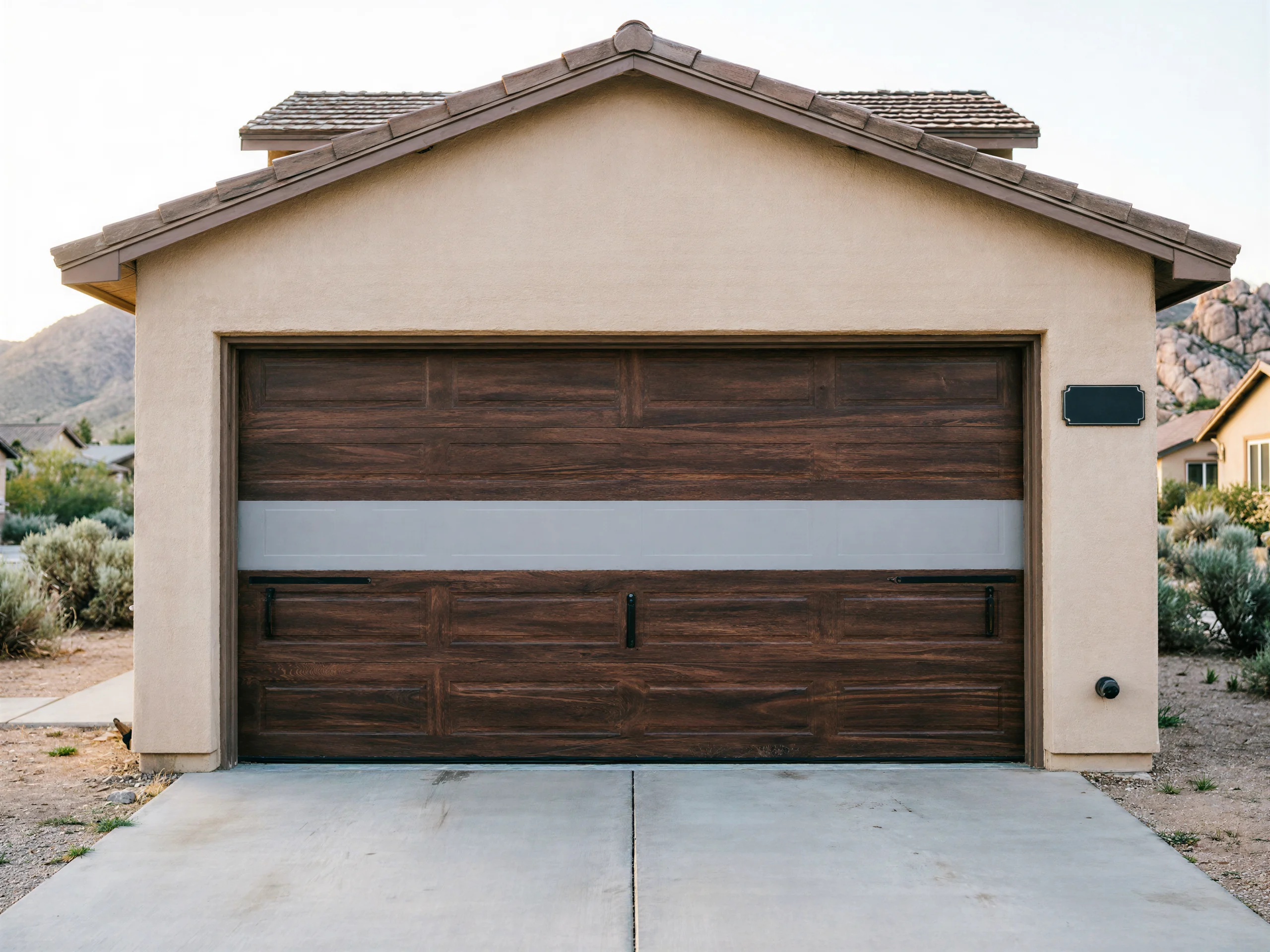
Most garages in Phelan went up around 1991, and that era brought wider, heavier steel doors than what you'd find on an older house - double-car openings in the 16-foot range, built with insulated steel sections instead of the thin single-layer panels from decades earlier.
Matched torsion spring pairs
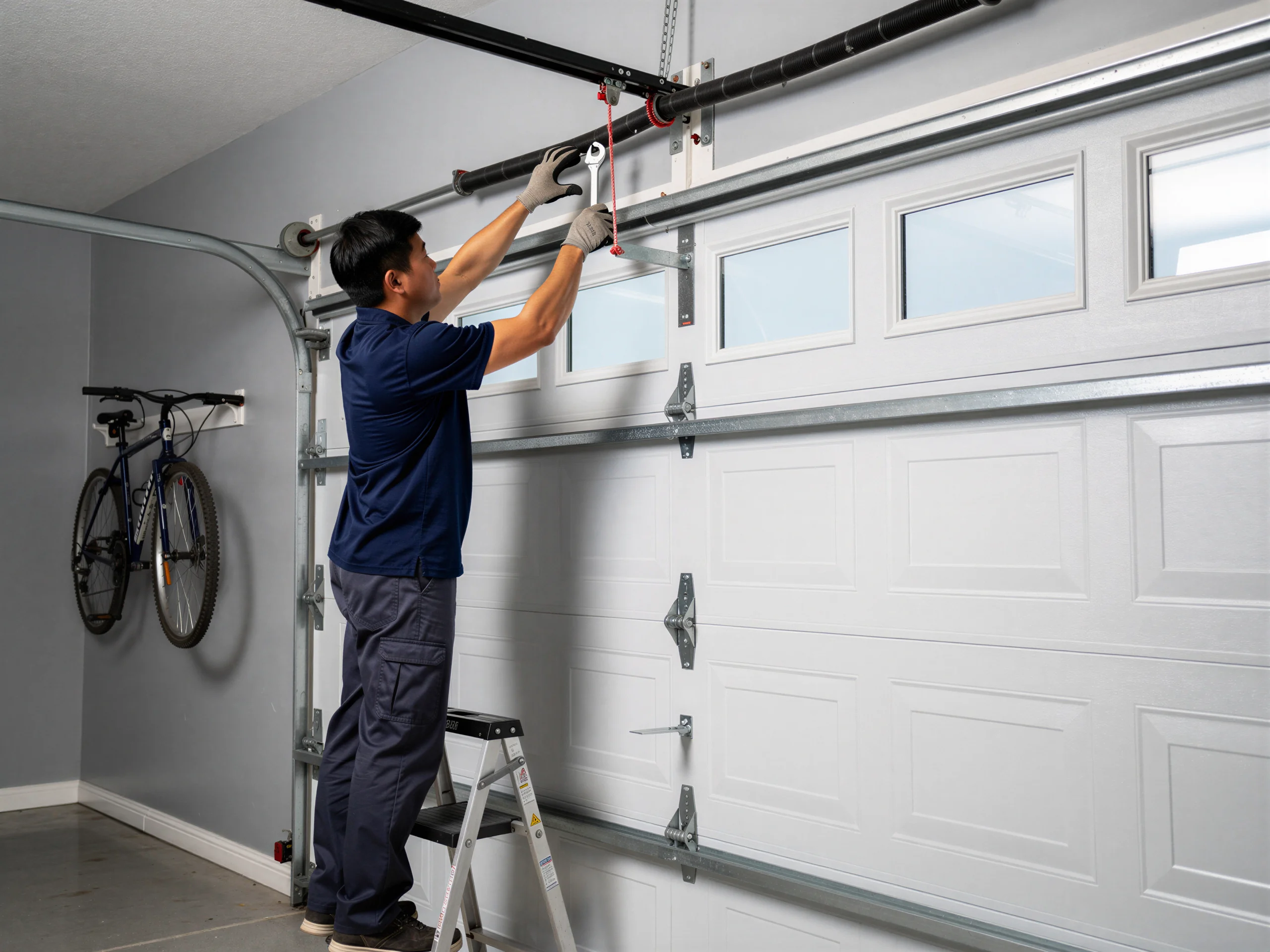
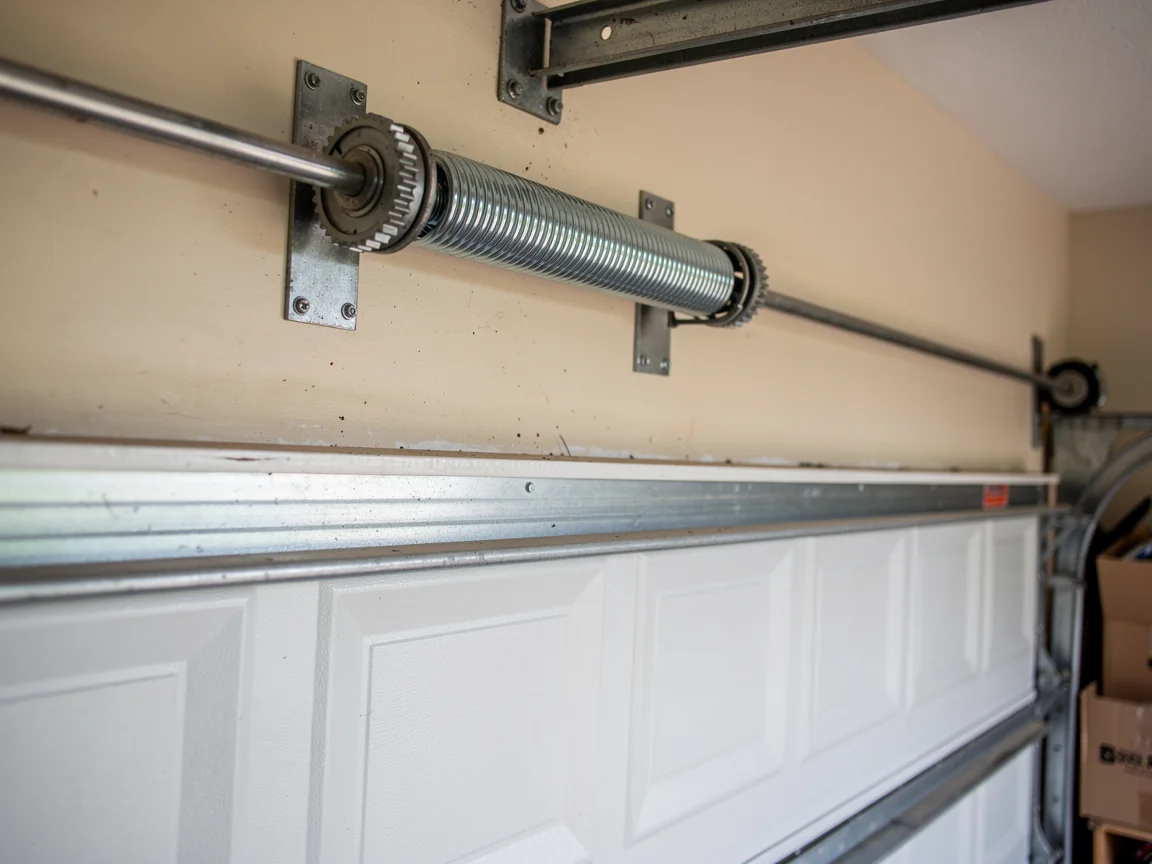
That extra weight means the torsion springs doing the lifting are sized to match, usually a matched pair mounted on a shaft above the door rather than the single stretched spring you see on older single-car setups. When one of those springs lets go, we bring torsion springs rated for the door's actual weight, not a generic size.
Measure gauge, length, wind
We measure the wire gauge, coil length, and wind direction off the broken spring (or the working one if only one failed) before cutting anything loose. On a double door built to 1990s code, we replace both springs even if only one snapped, since the other is riding on borrowed time with the same number of cycles on it.
Turn count and hand balance
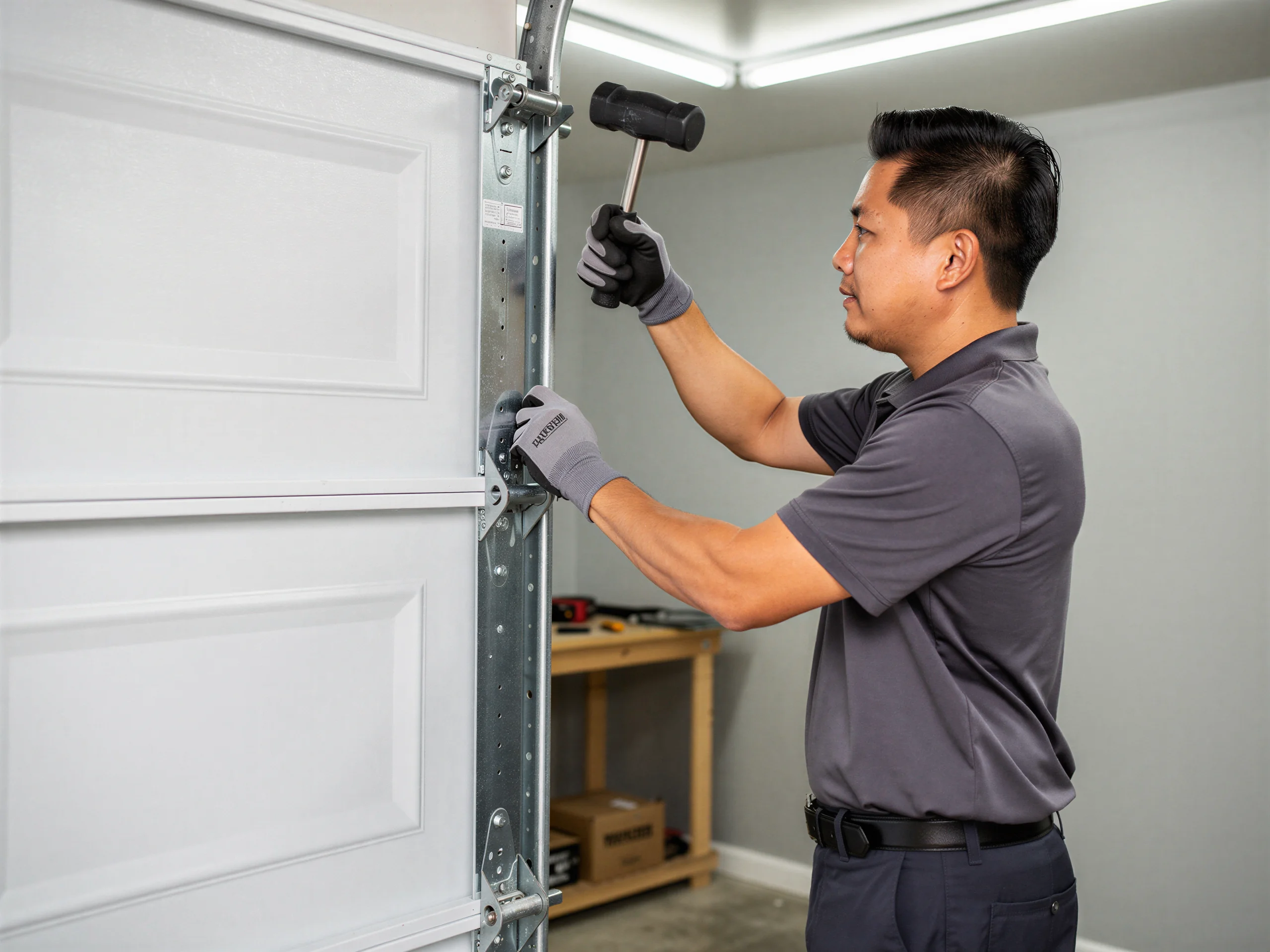
We set the new springs to the correct number of turns for the door's weight, then check balance by hand before buttoning up the cover. One limit worth saying plainly: if the door itself has sagged or the track is bent from the broken spring letting the door slam down, spring replacement alone won't fix that, and we'll tell you if the door needs more than a spring.
Booking a Visit
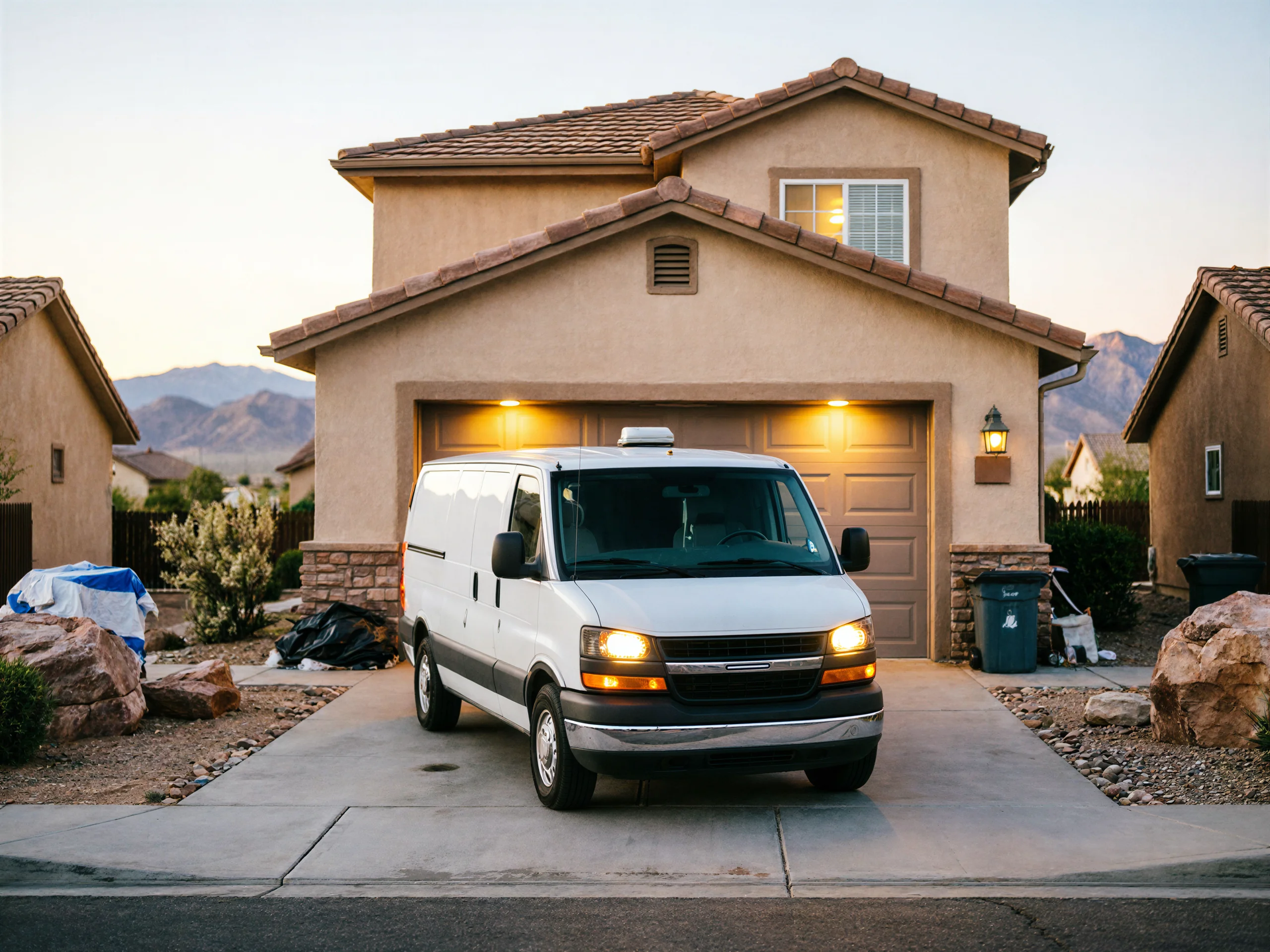
We run this job out of our Victorville shop, about 12 miles from Phelan, so a visit here isn't a walk-up - it's a scheduled drive out.
Intake questions before dispatch
That's not a complaint about distance, just the honest setup: we're not based in Phelan, we come to it. When you call, tell us the door's size (single or double), whether it's one spring or two, and whether the door is stuck down or stuck up. That tells us what to load on the truck before we leave.
Large lots add access time
Phelan's spread out, with around 5,194 households across the area, which means houses sit on larger lots than you'd find closer into town. That's worth mentioning because it affects access - a long driveway or a gated property can add a few minutes to the job that a tight suburban lot wouldn't.
Gates and dogs at booking
If your place has a locked gate or a dog in the yard, mention it when you book so the visit doesn't stall out before we even get to the door. We don't keep an open same-day slot for every call, since the territory runs wide. The best way to get a fast answer on timing is still to call and describe the door.
The Symptom
A torsion spring failure on a 1990s-era double door usually announces itself the same way: a loud bang from the garage, then the door either won't budge or drops fast when the opener tries to lift it.
Sudden drop or slow fade
On the heavier steel doors common to this housing stock, that drop can be hard and sudden, because there's nothing holding the weight once the spring snaps. Sometimes it's quieter - a spring that's been losing tension for months rather than one that breaks clean.
One spring carrying full load
You'll notice the opener straining, grinding, or the door lifting unevenly on one side before it finally gives out. On a double door with two springs, one spring carrying the full load while its partner is already weak is common, and it's part of why we replace both at once rather than just the one that failed.
Coil gap means stop
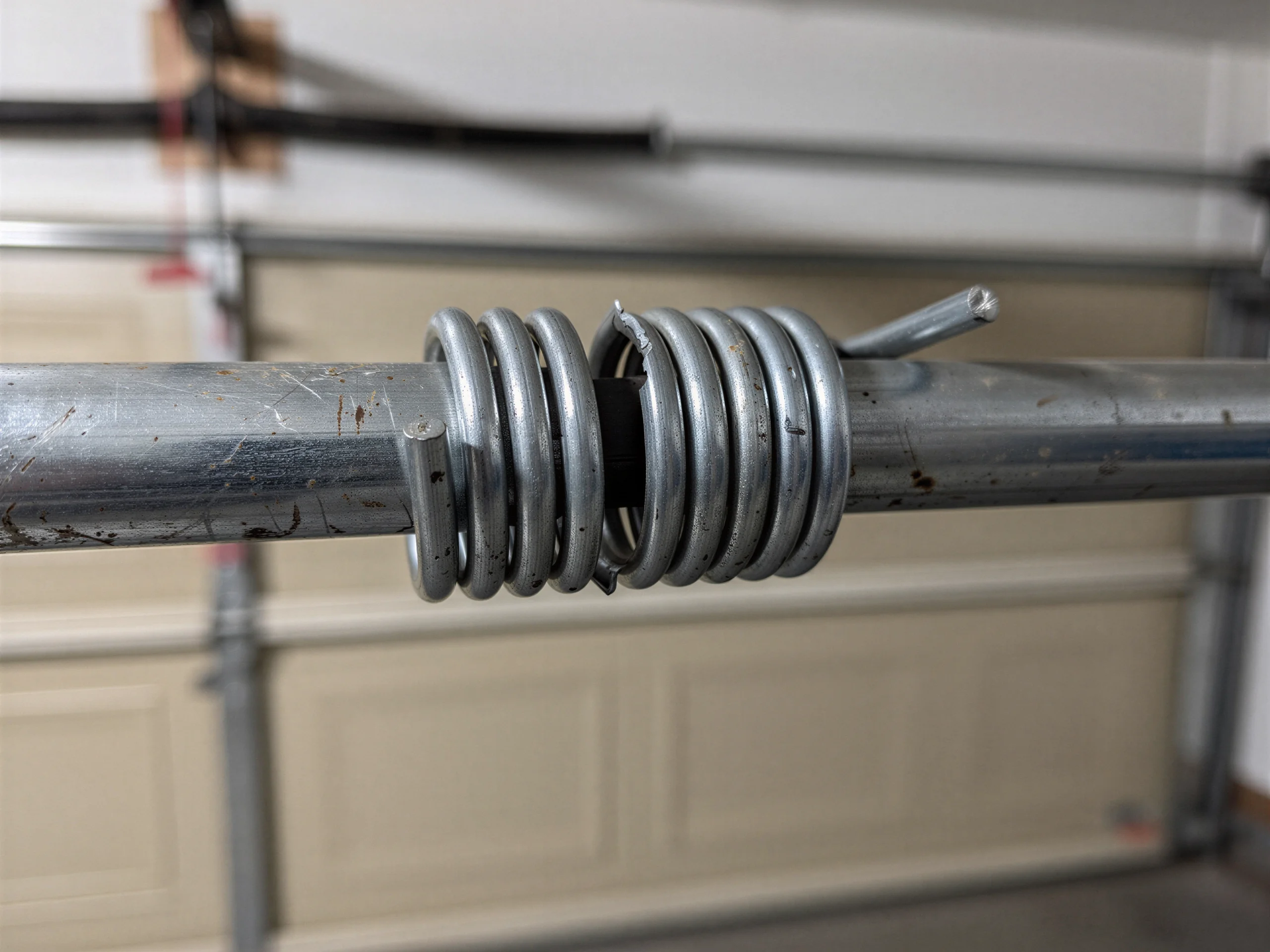
If you see a visible gap in the coil above the door, that's your answer - don't try to open it further. Running the opener against a broken spring puts the full door weight on the opener's drive gear, which is a second repair you don't need to add to the first one.
Doing It Yourself
Torsion springs on a door this size are not a DIY repair, and that's not a sales line - it's physics. A spring sized for a double steel door built to 1990s standards is wound under serious tension, and the winding bars needed to safely load or unload that tension aren't something most homeowners have sitting in a toolbox, nor should they need to buy them for a once-in-a-decade job.
What you can safely do yourself: disconnect the opener's emergency release (the red cord) so you can operate the door by hand if you need the garage open before we get there, and check that nothing else - a bent track, a broken cable - is contributing to the problem, since that changes what we bring. Beyond that, leave the spring itself alone. A spring under tension that slips off a winding bar can cause real injury, and we'd rather you wait for the visit than get hurt trying to save a service call.
What Can Go Wrong
Replacing the wrong spring size is the most common mistake we see from DIY jobs or from undersized hardware store kits - a spring rated too light for a heavy steel door will wear out fast or snap again within months, sending you right back to where you started. Matching the spring to the door's actual weight, not just its listed size, matters more on the heavier doors common in Phelan's housing stock.
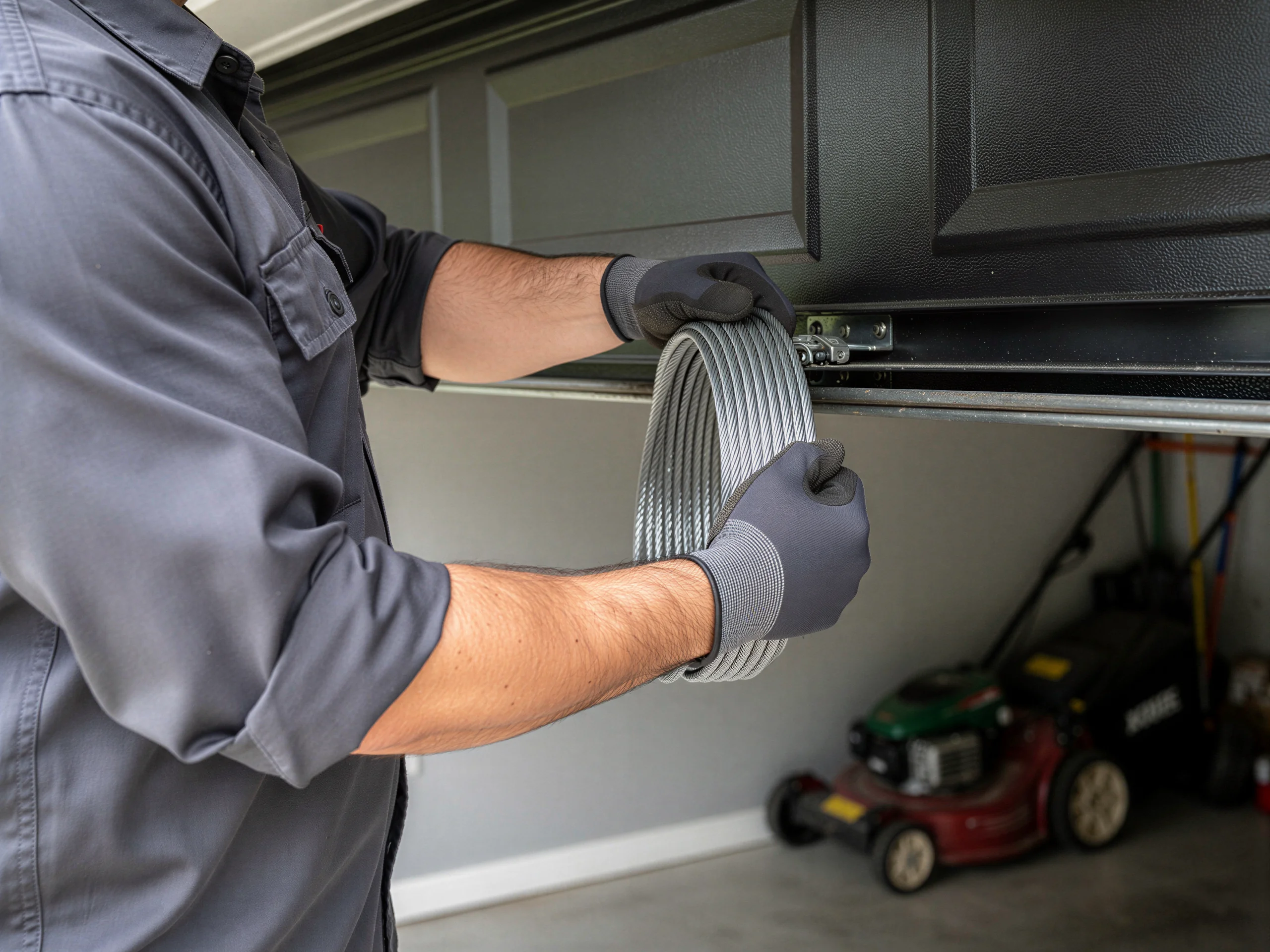
Cables are the other piece that fails alongside springs more often than people expect. On a door that's been running on a weakening spring for a while, the cables take on uneven load and can fray near the drum. If we're already replacing springs, we check cable condition at the same time rather than leaving a second failure waiting to happen.
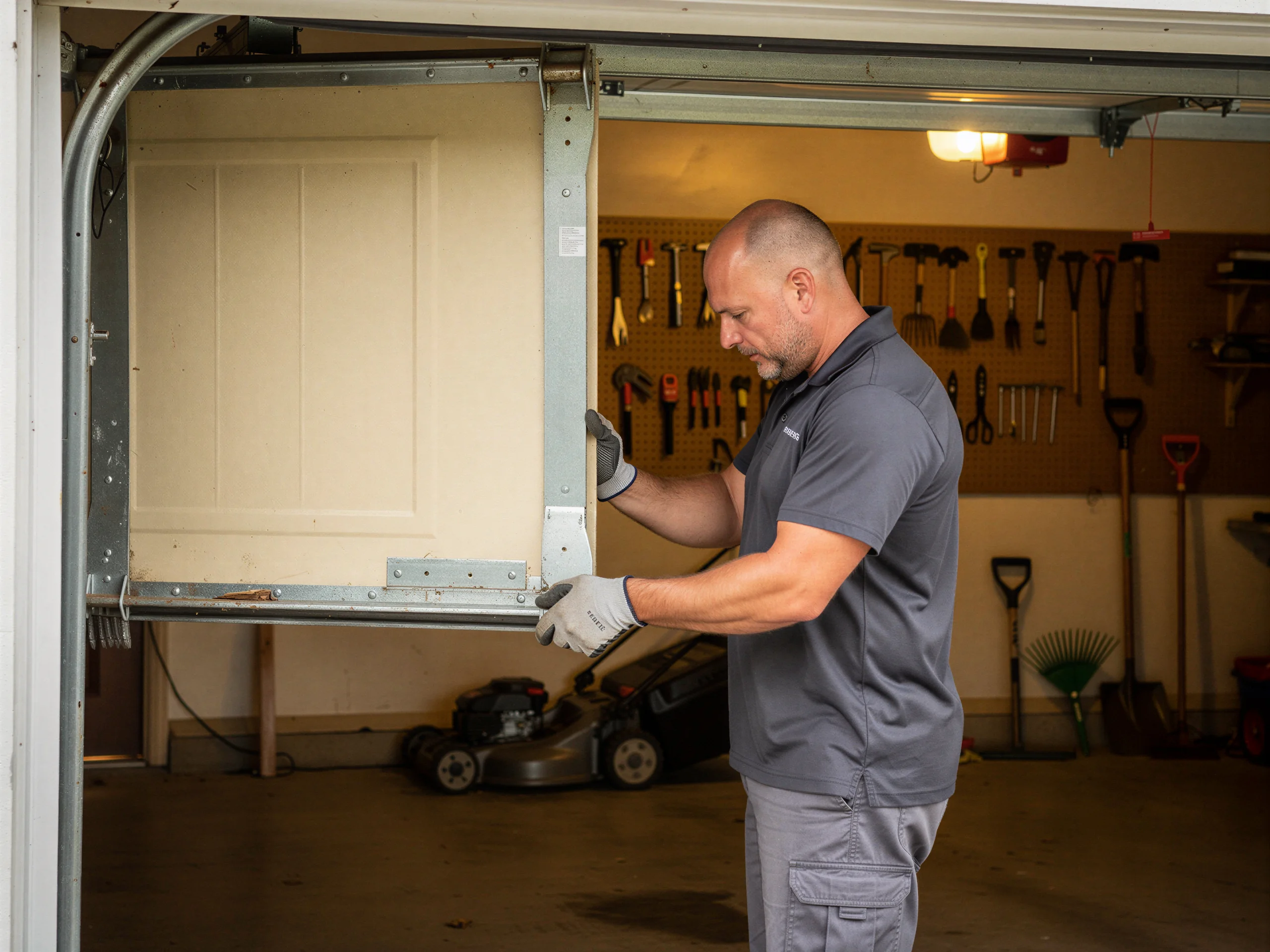
Lastly, if the door is older than its hardware - meaning it's had springs replaced before but the rollers and hinges are original to a 1991 build - don't be surprised if we flag worn rollers too. Fixing one part of an aging system while ignoring the rest just moves the next call closer.
Talk to a local pro
Garage door service in Victorville?
Same-day service with honest, upfront quotes.