Booking a Visit
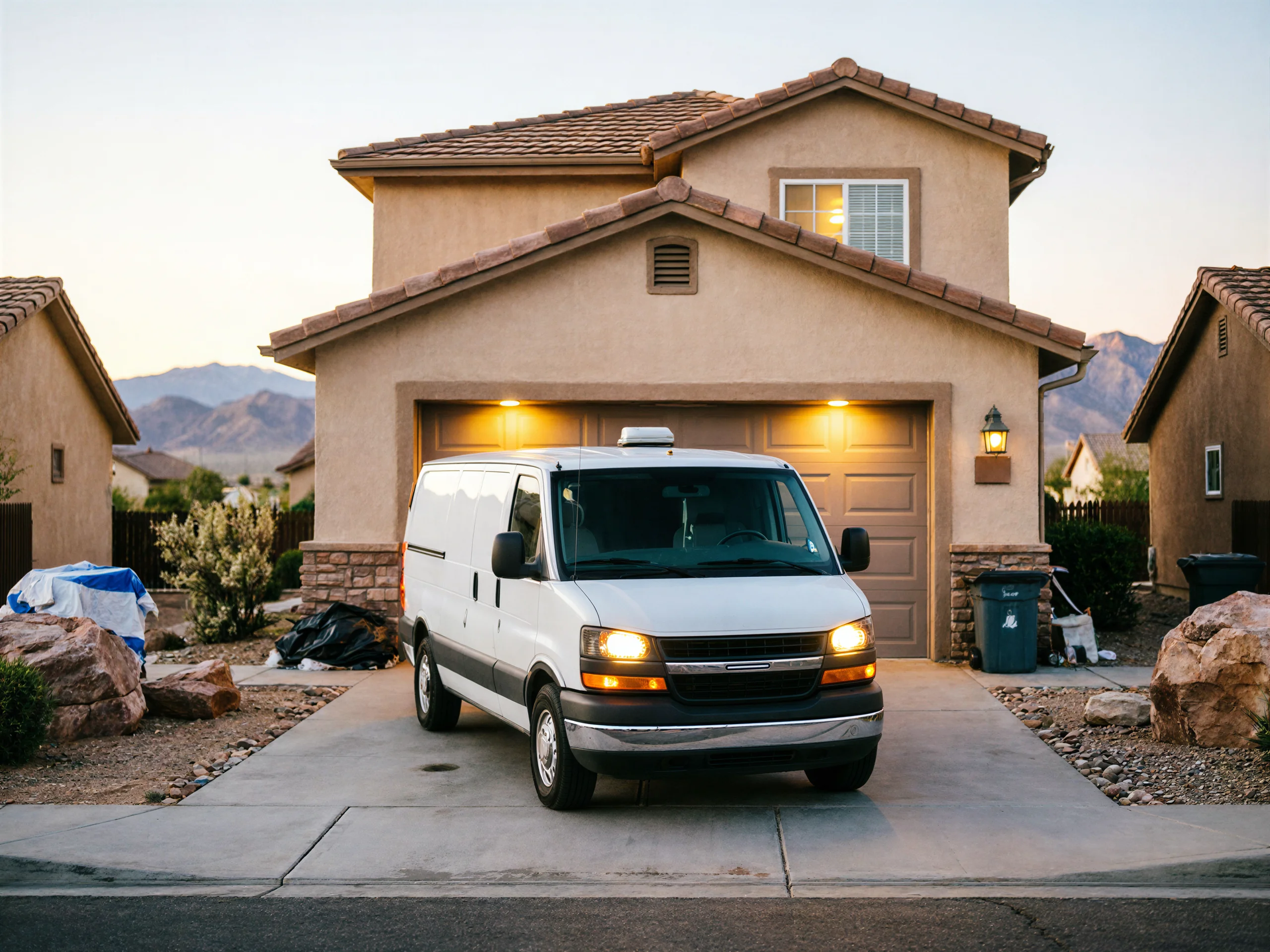
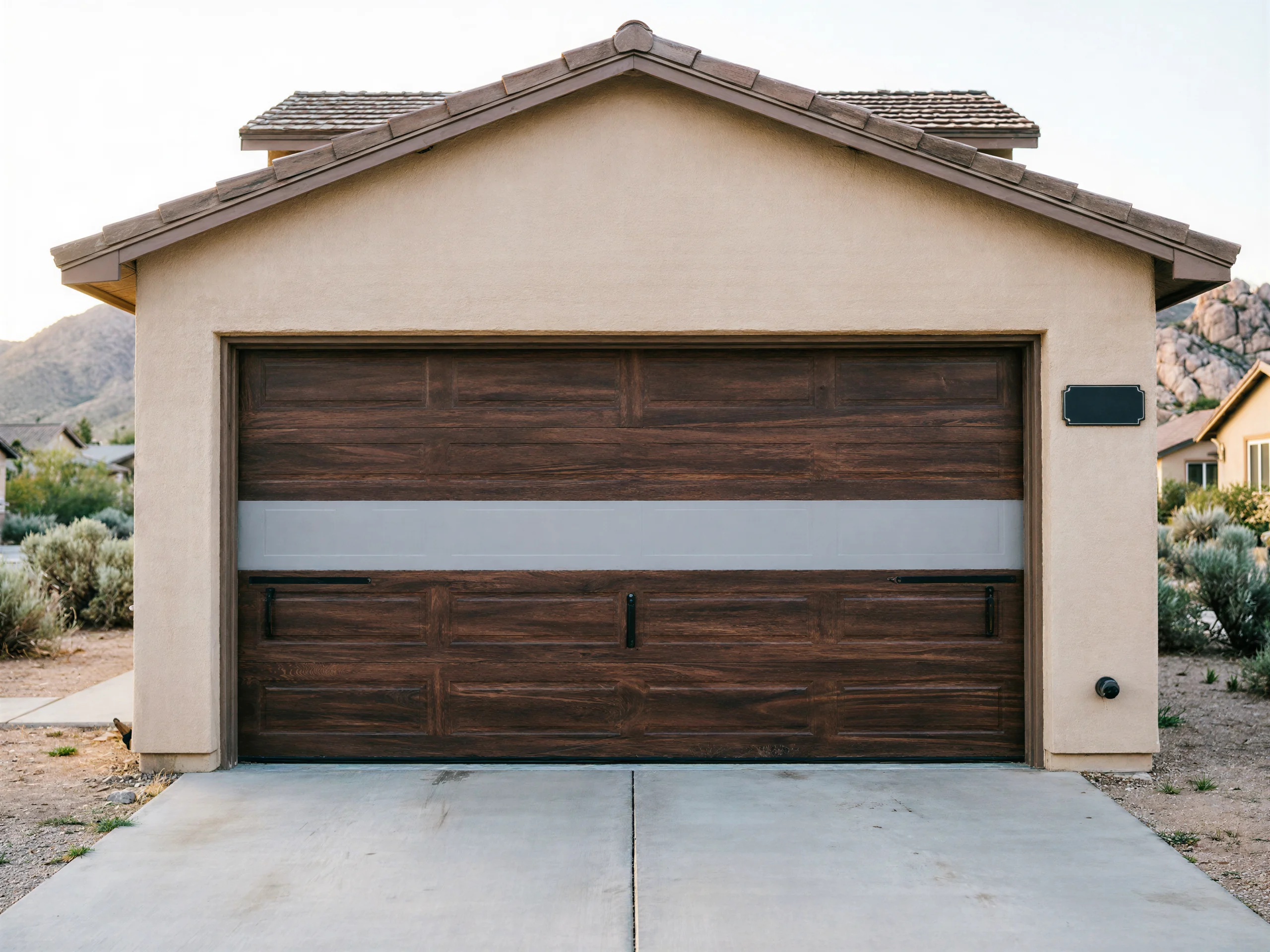
We work out of Victorville, and Piñon Hills sits about 16 miles out, the farthest stop on our regular route. That distance is the first thing to plan around: we don't keep a branch or a stocked van sitting in Piñon Hills, so a panel job here gets scheduled as a dedicated trip rather than a drive-by add-on. Tell us the make and the approximate age of the door when you call, and we'll bring the right panel profile instead of guessing on-site and driving back.
Because the area's median year built sits around 1991 - later than much of the wider service area, where the span runs 1966 to 1997 with a median near 1989 - doors out this way more often use a steel sandwich panel on extension or torsion hardware rather than the older wood or single-layer steel you find on the earliest tracts closer to the city. That matters for booking because it narrows down which panel stock we load before we leave Victorville, which cuts down on a second visit.
Doing It Yourself
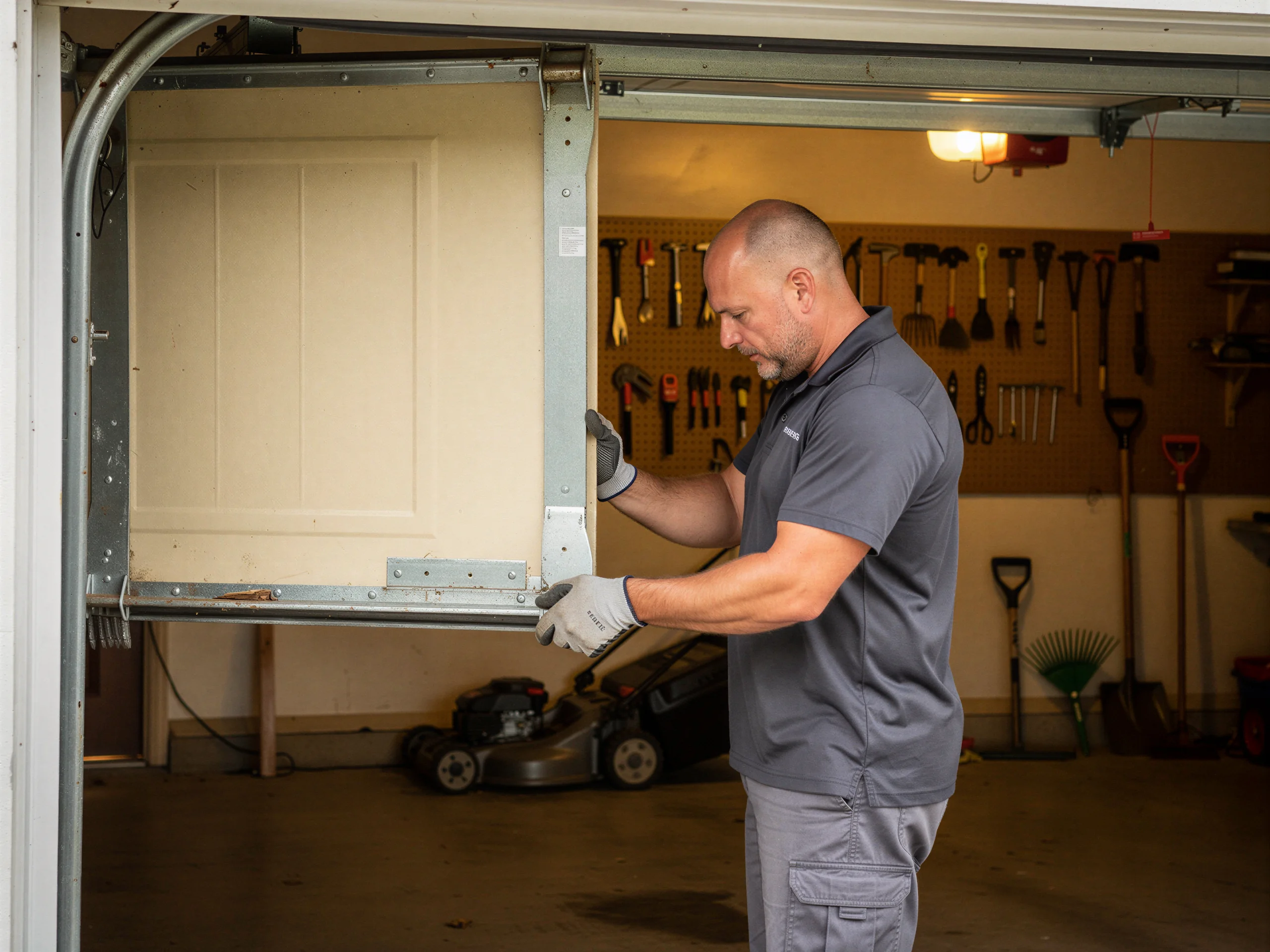
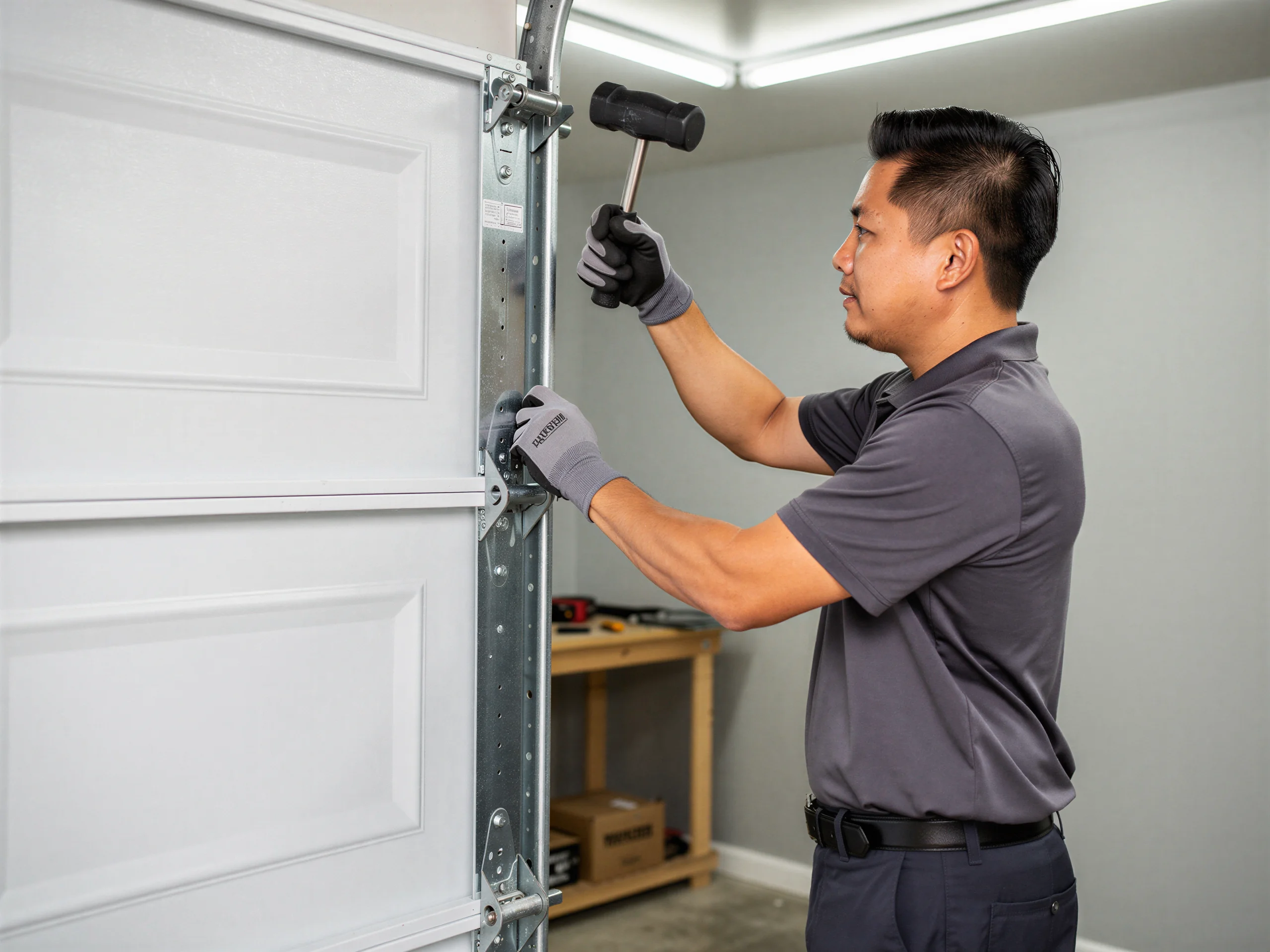
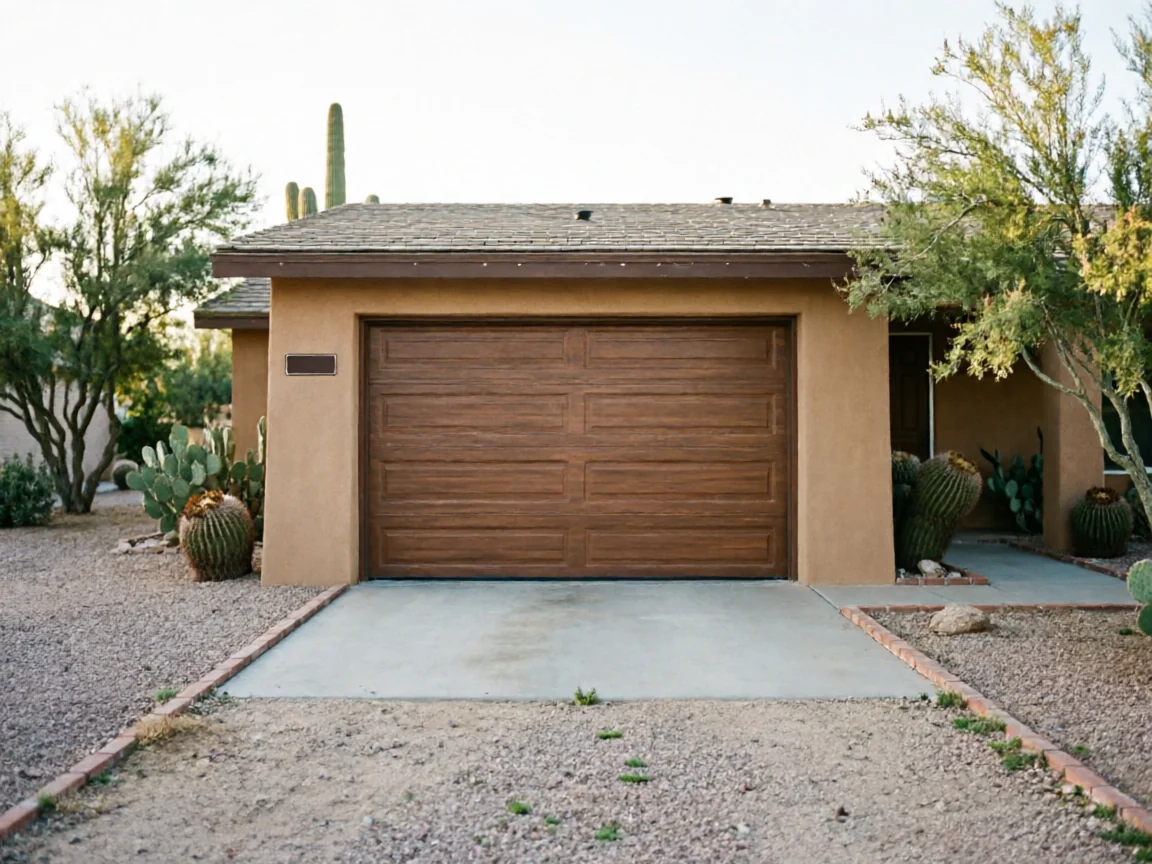
A cracked or dented panel on a door from this era is usually a bolt-on job, not a frame rebuild - the panels are sectioned and meant to come apart individually, which is good news if you're handy.
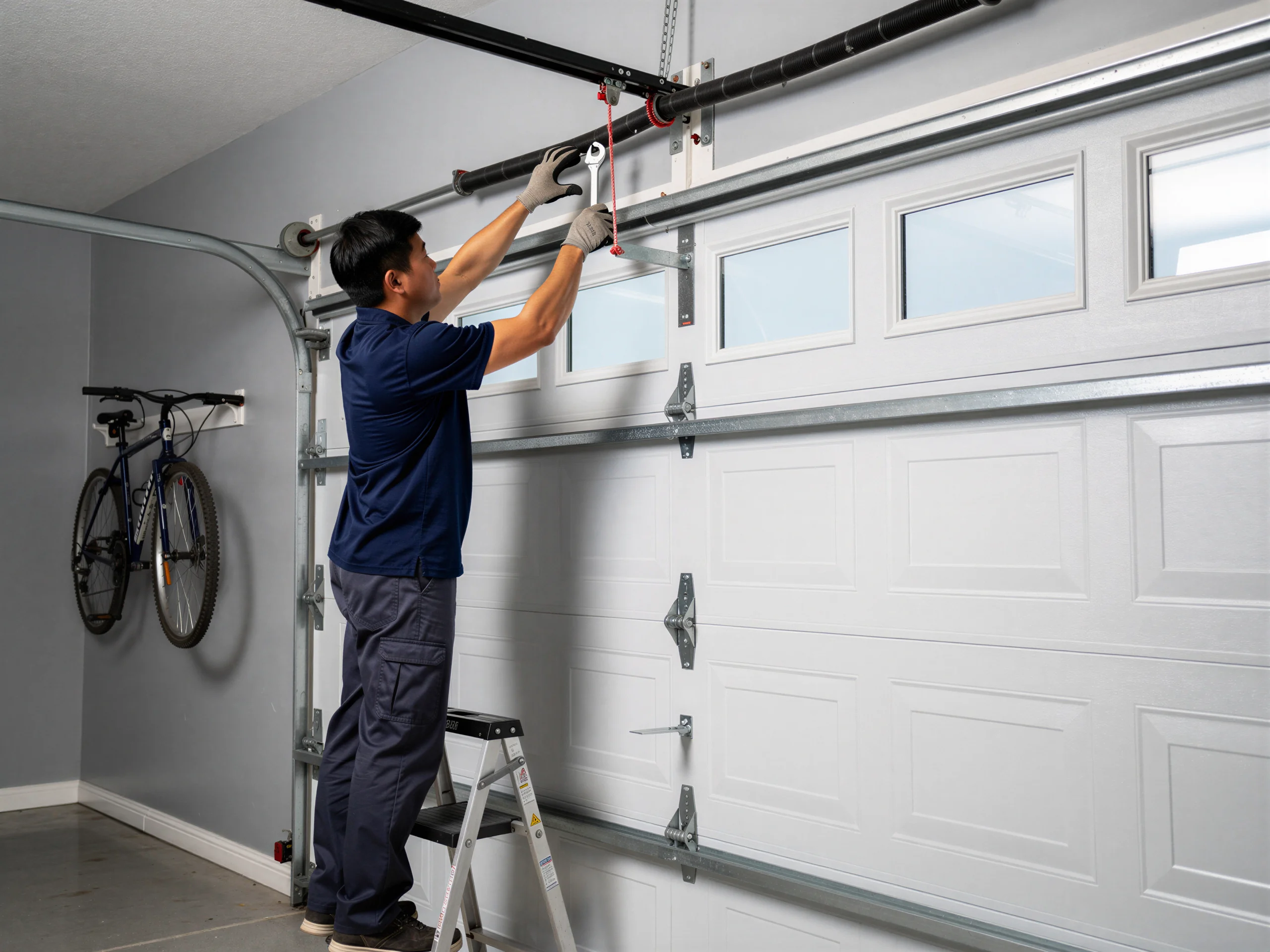
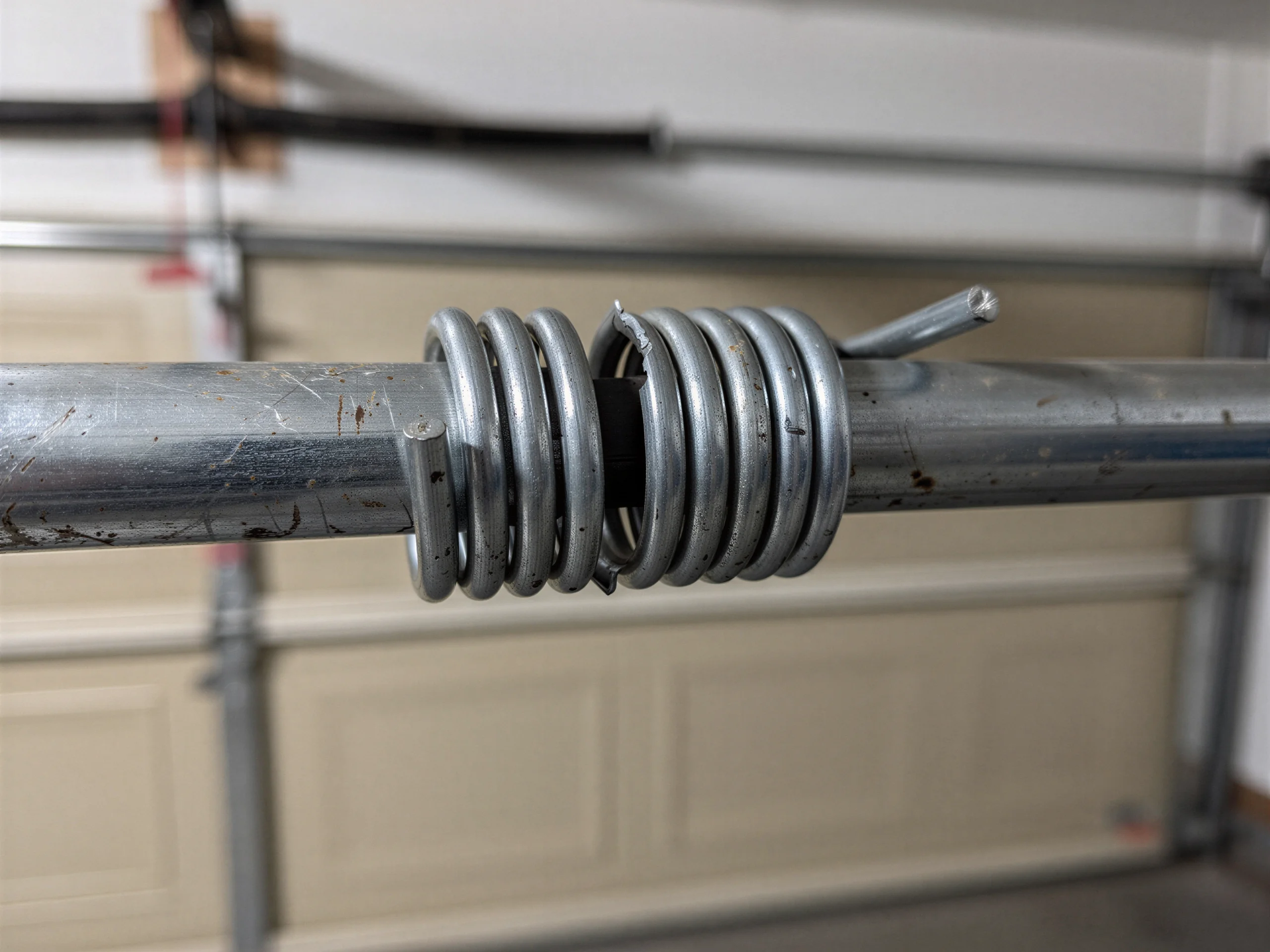
Hidden spring tension danger
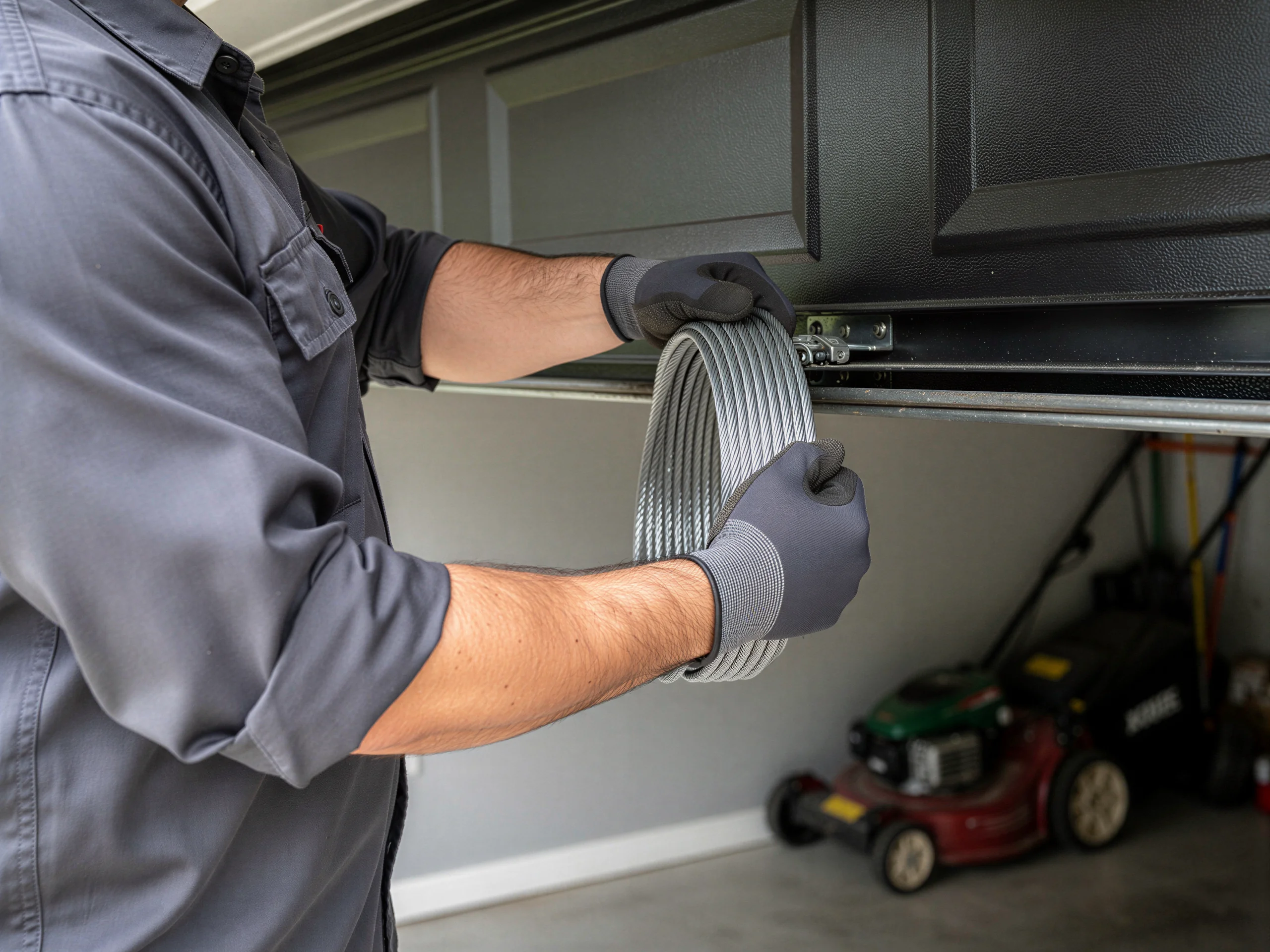
Where people get into trouble is on a door with a broken spring hiding behind the dented section; replacing a panel without dealing with the spring first means working against full cable tension, and that's how fingers and faces get hurt.
Foam-fill panels are heavy
If the door is from the later end of the area's build range (closer to 1991 than 1966), the panel is more likely steel-skinned with foam-fill, which is heavier than it looks and awkward to handle solo on a two-car door.
Supporting loose sections
We'll say plainly: if you're not comfortable disconnecting the opener and supporting a loose section while you work, this is one to hand off. There's no shame in it, and a mismatched replacement panel costs more to fix than the original damage.
Stocked Parts
We stock panel sections and hardware sized for the stock that's common across the service area's 8 named communities, most of it built through the 1980s and 90s. Piñon Hills skews toward the newer end of that range, median year built around 1991, so the panels we load for a trip out here lean toward the later steel-and-foam sections rather than the thinner single-wall steel or wood composite panels more common on houses from the 1960s and 70s nearer Victorville itself.
Here's the honest limit: if your door is an older or less common brand that doesn't match what we carry, an exact-match panel can take a special order, and we won't pretend otherwise. We'd rather tell you that up front than have you wait on a truck that isn't coming with the right part.
The Symptom
The panel complaint we hear most from this side of the service area is a bowed or caved-in section, usually from a backed-into car or a chunk of debris, not from age or weather - the area sits in a moderate heat climate band that doesn't stress panels the way freeze-thaw cycles do elsewhere. A bowed panel on a door built in the early 1990s usually still has a matching run available since the section sizing from that era is fairly standardized, which is one advantage of the newer stock out here.
What's different in Piñon Hills versus the rest of the territory is household income: the area's median runs around $65,160, below the wider service area's $74,778. That's relevant to the repair conversation, not the diagnosis - when a single panel repair costs close to what a full replacement run would, we'll lay out both numbers instead of defaulting to the bigger job.
Talk to a local pro
Garage door service in Victorville?
Same-day service with honest, upfront quotes.