The Symptom
If your house in Crestline went up anywhere near 1966, there's a decent chance the cables on your garage door have never been swapped. That's not a guess about your specific door - it's just what the math says about a neighborhood this old.
Corner sag and peeling cable
A door lasts years on original cable before you see the signs: one corner of the door hanging lower than the other, a cable frayed and peeling like a bad rope near the drum, or the door binding sideways as it travels because one side is pulling tighter than the other.
Popping sound at travel ends
Sometimes you hear it before you see it - a popping or snapping sound right as the door reaches the top or bottom of travel. None of that means the opener is broken. It almost always means a cable has started to let go, and it's a matter of when, not if, it finishes the job.
Plan the 19-mile trip
We come out from Victorville, about 19 miles down the hill, so this isn't a same-day drop-in - plan the call rather than waiting for the cable to fully snap with the door halfway up.
What Can Go Wrong
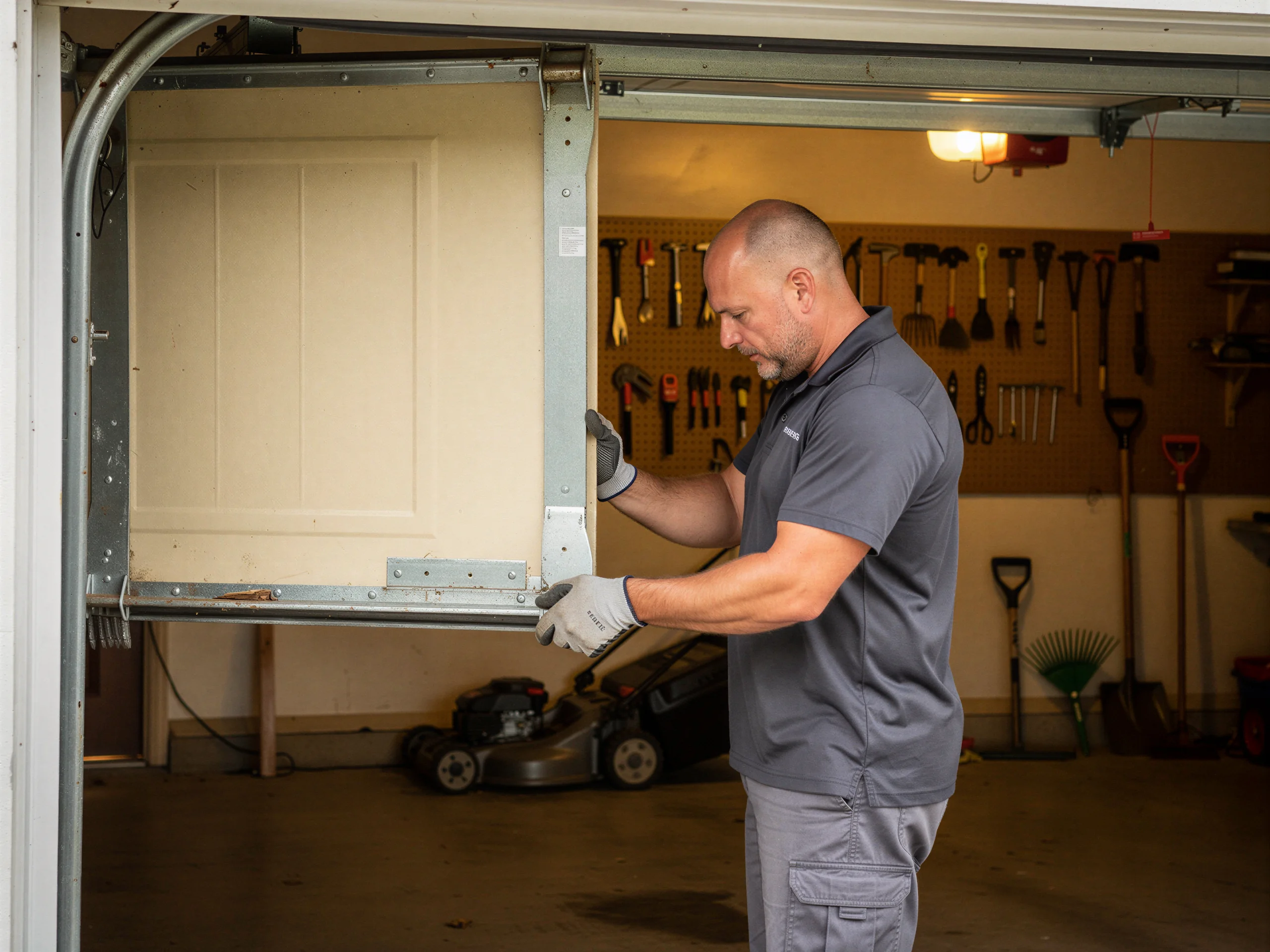
A worn cable rarely fails quietly. The most common version: one cable frays at the drum and the door suddenly racks to one side, binding in the tracks or dropping a corner hard enough to bend the track or pop a roller out of its channel.
Drums and bearings also worn
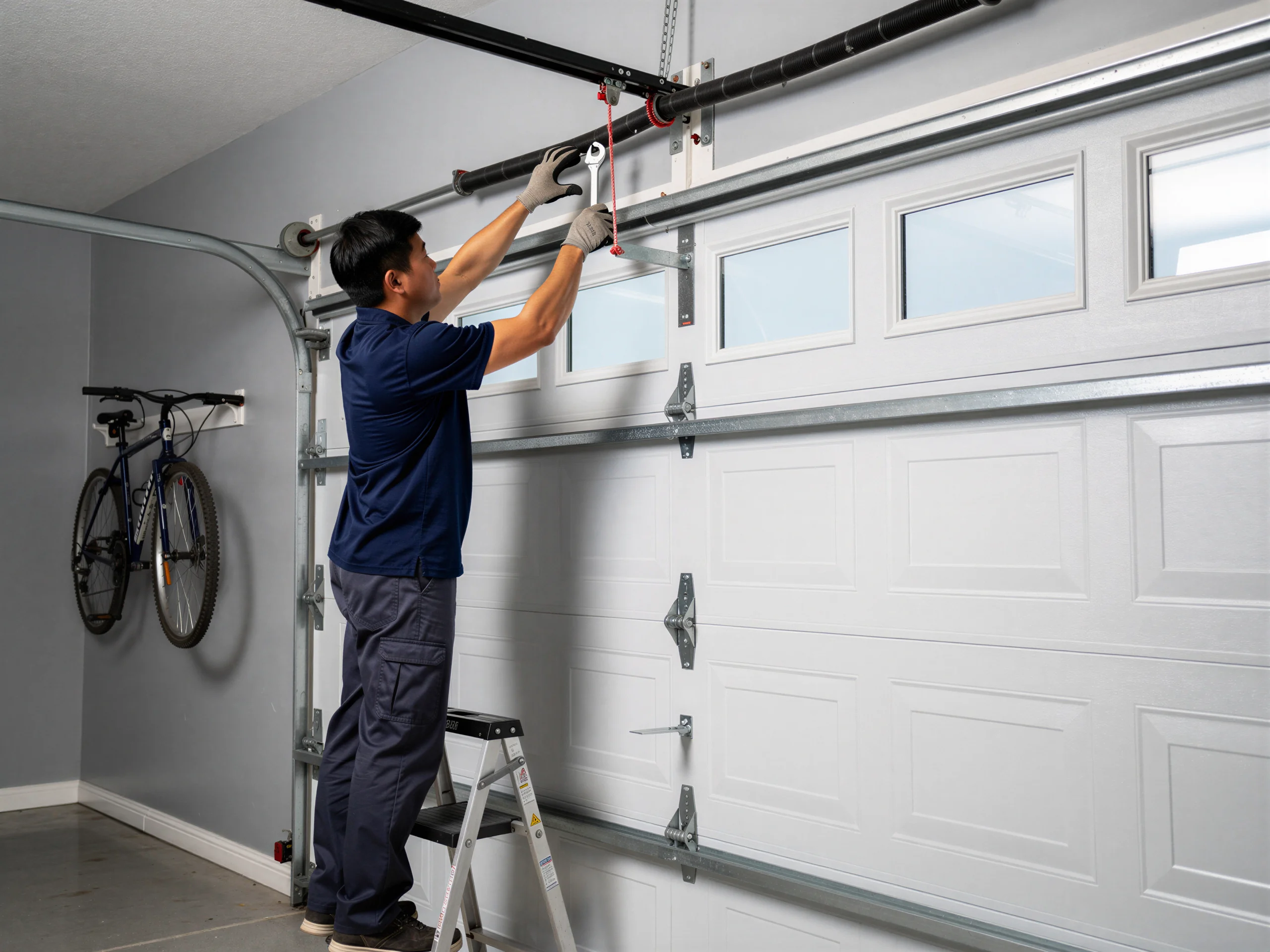
On doors that have sat with the original hardware since the build era, the drums and bearing plates are often just as tired as the cable itself, so replacing the cable alone sometimes isn't enough - the bearing may be grooved, or the drum cracked from decades of the cable riding the same path.
Spring risk during cable work
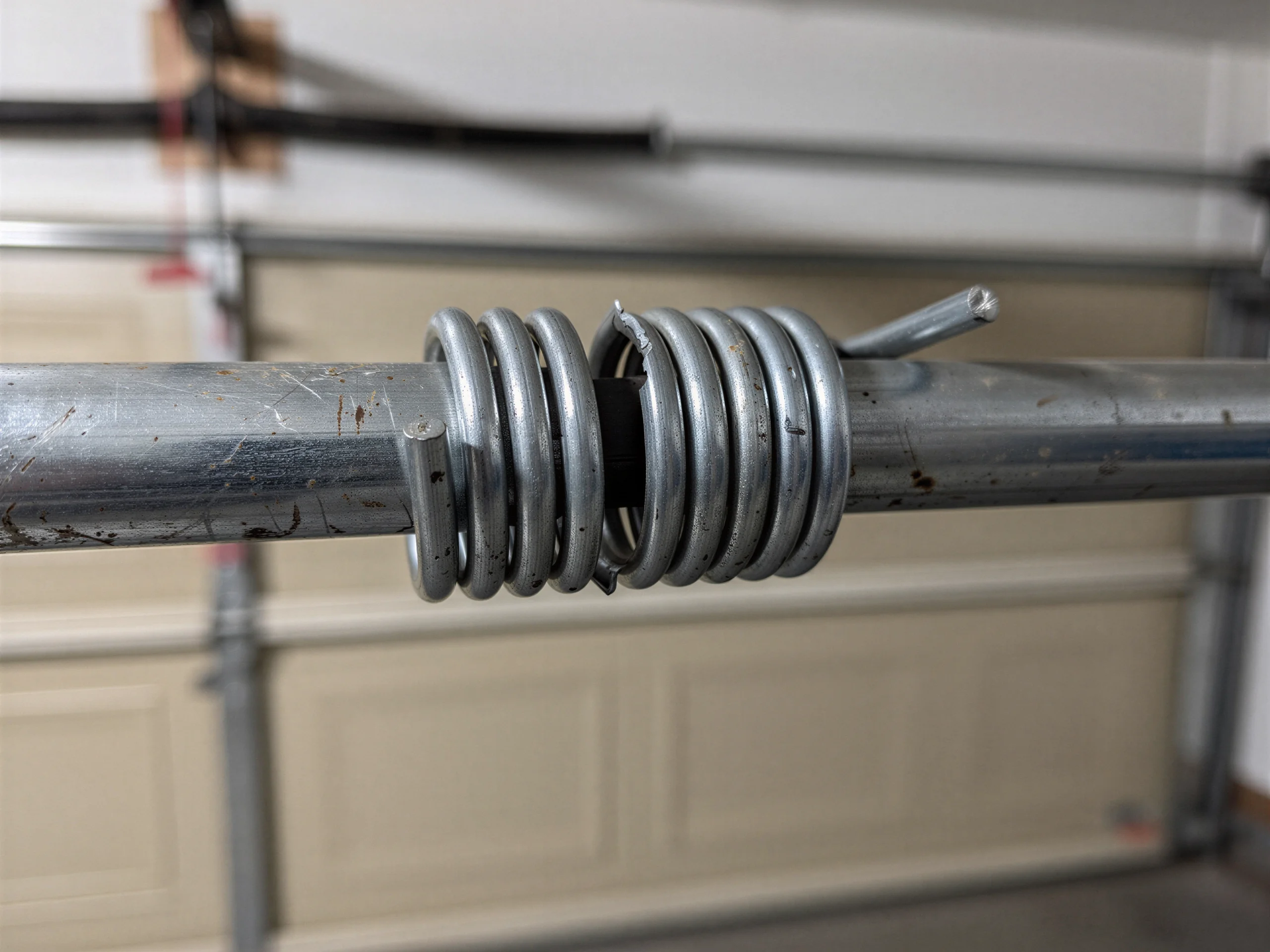
Torsion springs on doors this old are also past any reasonable service life, and a spring letting go while someone is working near the cable is a serious injury risk, not a minor inconvenience.
Cables jumping the drum
We also see cables that have jumped the drum entirely rather than frayed, usually from an off-track roller pulling slack into the system. Each of these needs a different fix, and guessing wrong means doing the job twice.
Doing It Yourself
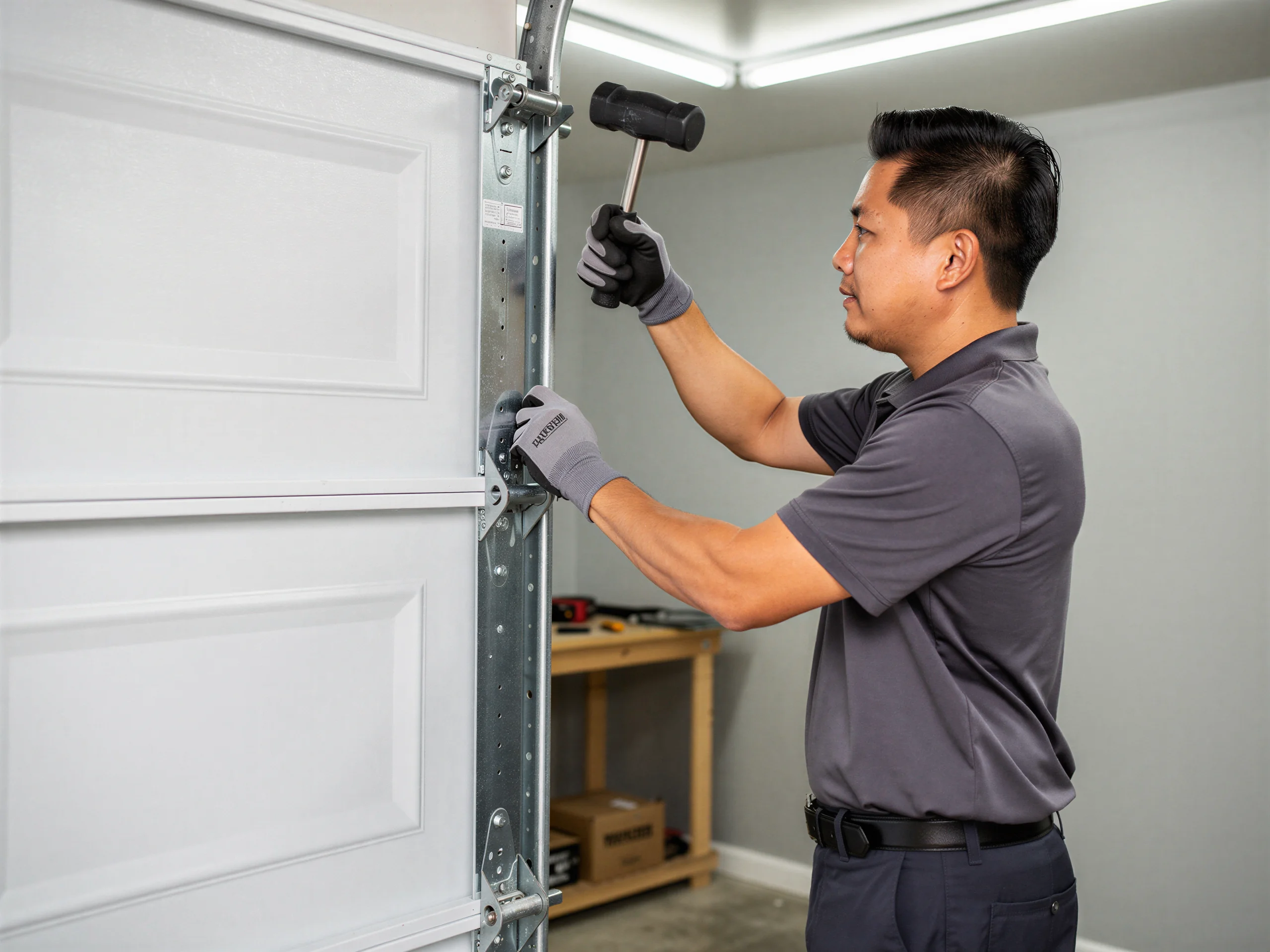
We'll say it straight: don't do this one yourself. A garage door cable is under real tension from the spring system the whole time the door is closed, and a cable that lets go while you're near it can take a finger or worse. Even unwinding a torsion spring safely takes the right bars and the right technique - there's no shortcut that makes it safe to learn on your own door. If you're comfortable with basic maintenance, the one thing worth doing is a visual check: open the door partway, look at the cables near the bottom brackets and the drums at the top, and if you see fraying, rust, or a cable that's visibly loose compared to the other side, stop using the door and call rather than forcing it through more cycles.
Stocked Parts
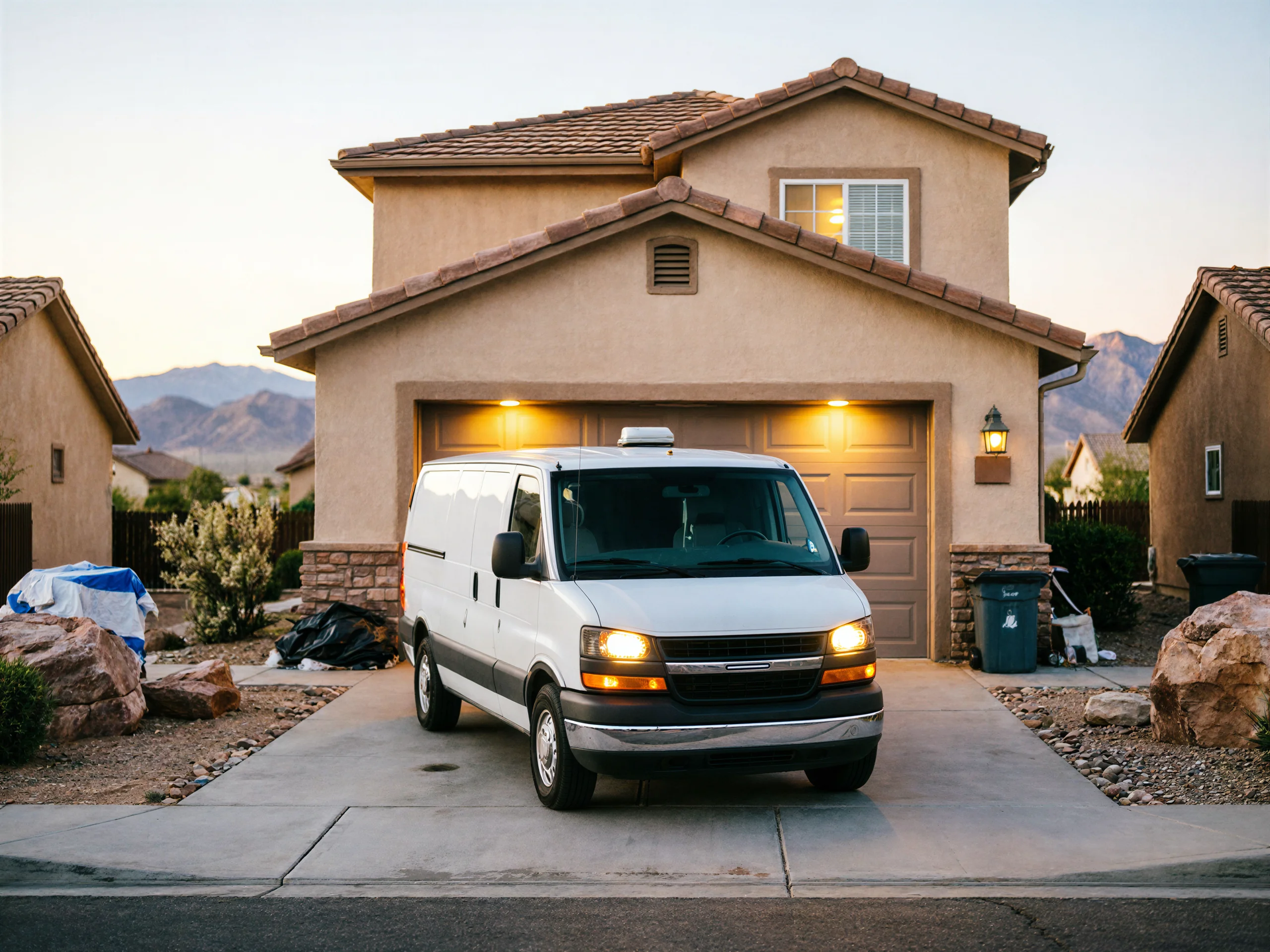
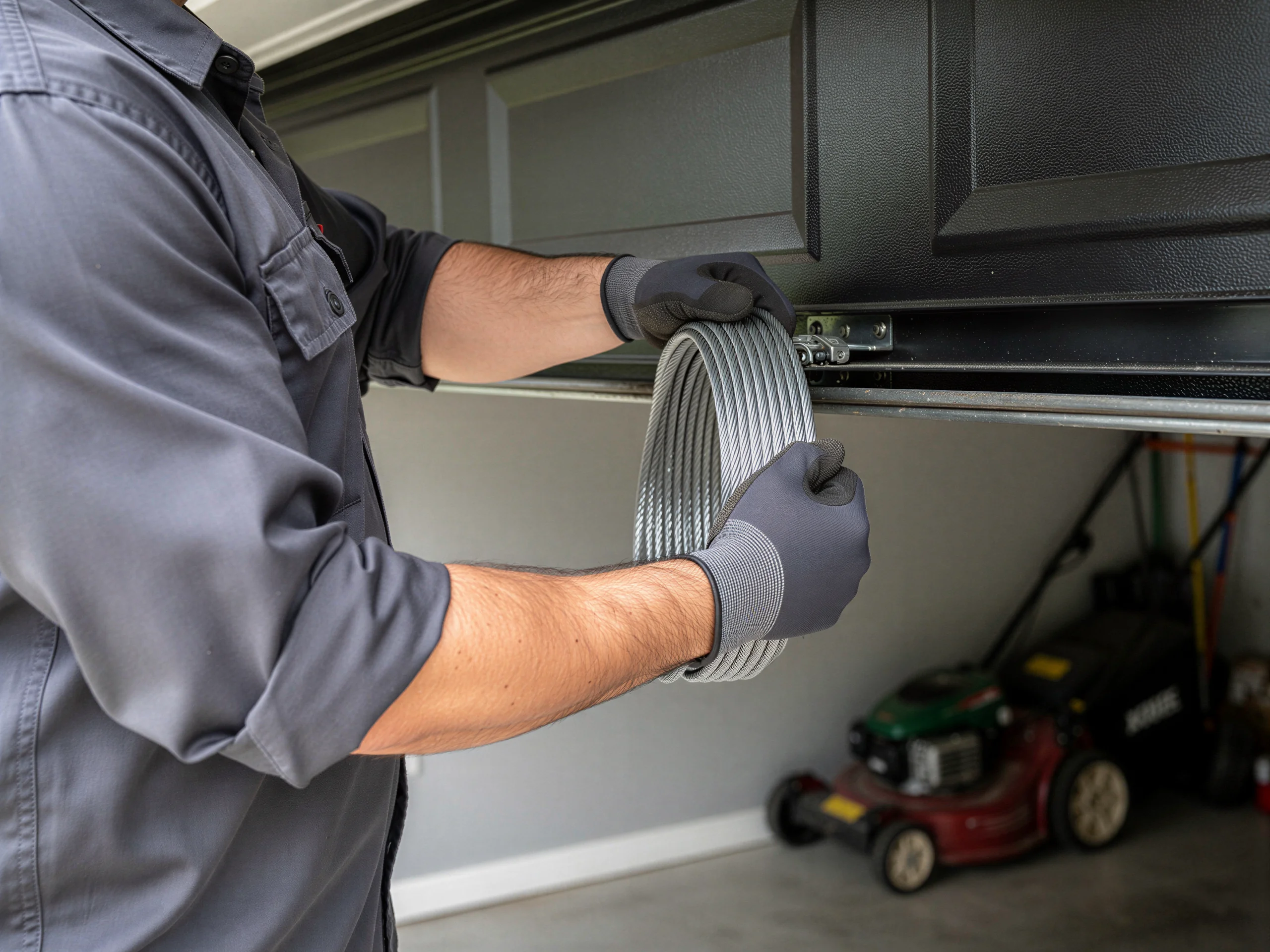
We carry standard lift cables, cable drums, and bottom bracket hardware on the truck, which covers the large majority of calls like this. Where it gets slower is a door old enough that the drum size or track width is a discontinued spec - not common, but it happens on homes from the 1966 era, and if that's the case we'll tell you on site rather than guess and come back twice. Given the drive out from Victorville, we try to diagnose and carry what's likely needed on the first trip rather than making you wait on a part that could've been loaded that morning.
Talk to a local pro
Garage door service in Victorville?
Same-day service with honest, upfront quotes.