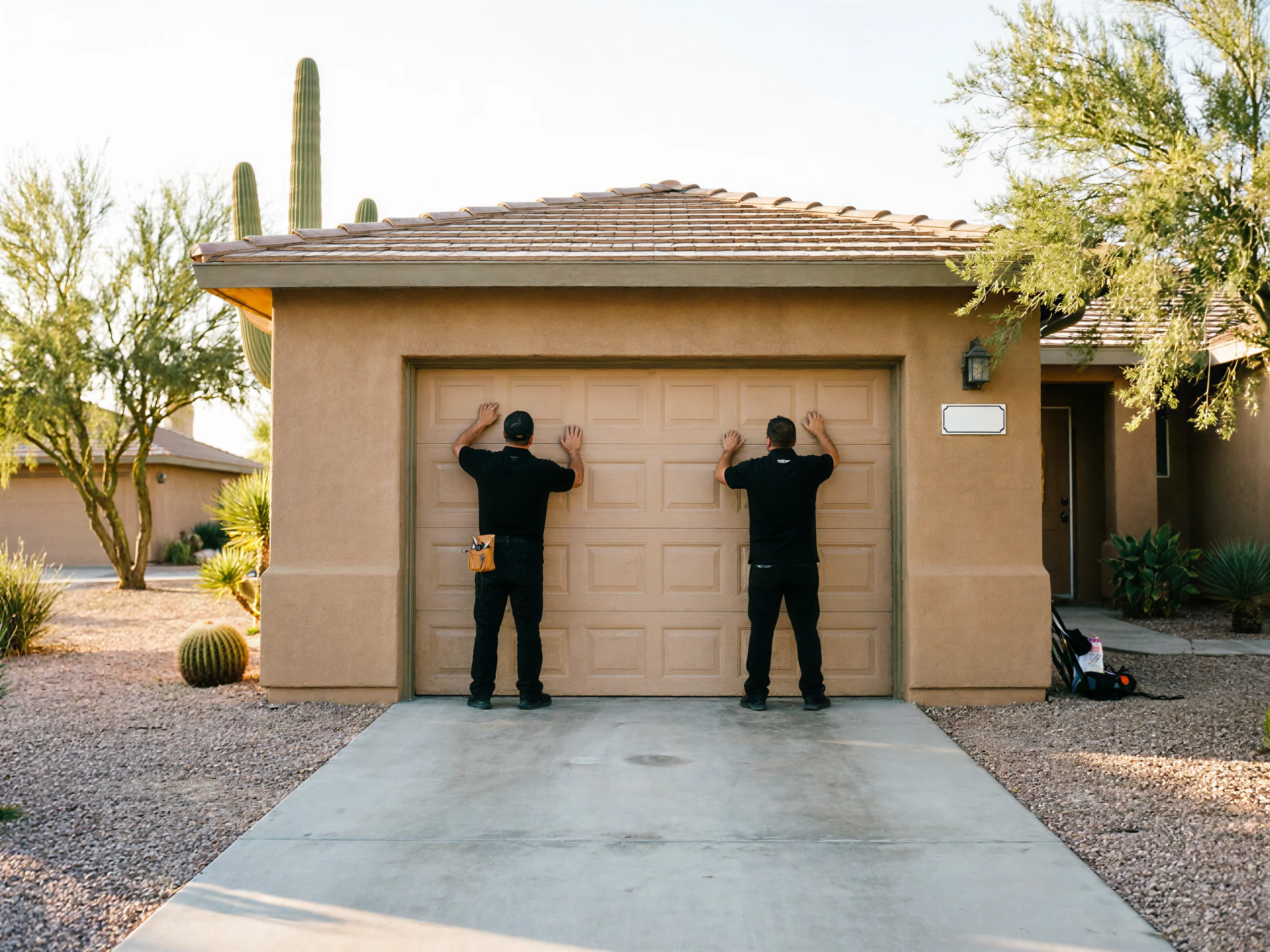
The Symptom
The calls we get from Crestline aren't about a door that won't open. They're about a door that still works, more or less, but binds on the track, groans on the way up, or needs a shoulder into it on cold mornings. That's not neglect. It's the hardware doing exactly what 1966-era hardware does after this many decades of cycles.
Crestline is on the early edge of the service area's 1966-to-1997 build window, which is wider and older than most of the other stops we cover. A lot of the other suburbs on our route are 1980s and 90s construction, with lighter doors on updated track systems. Crestline's housing stock predates that by fifteen to twenty years in a lot of cases, and the garage door that came with the house is often the original, or a like-for-like replacement installed decades ago on the same undersized track and hardware.
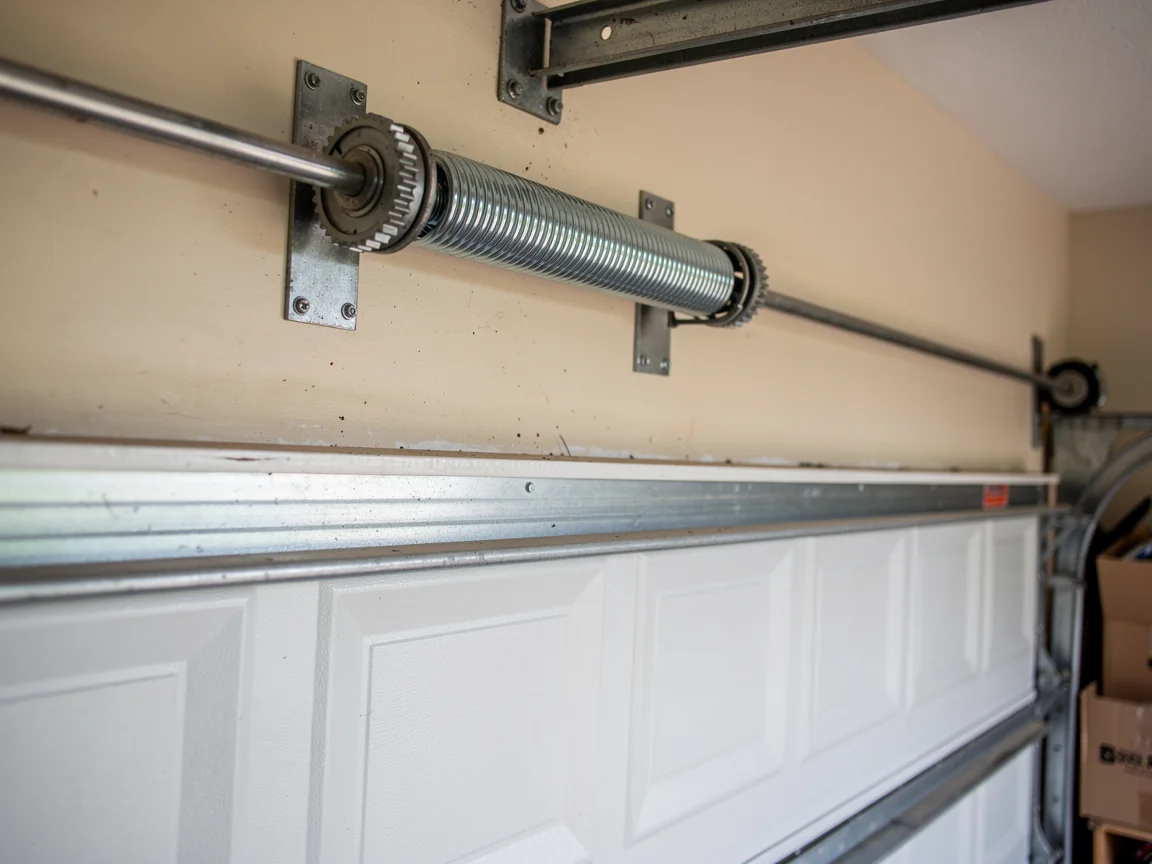
What Can Go Wrong
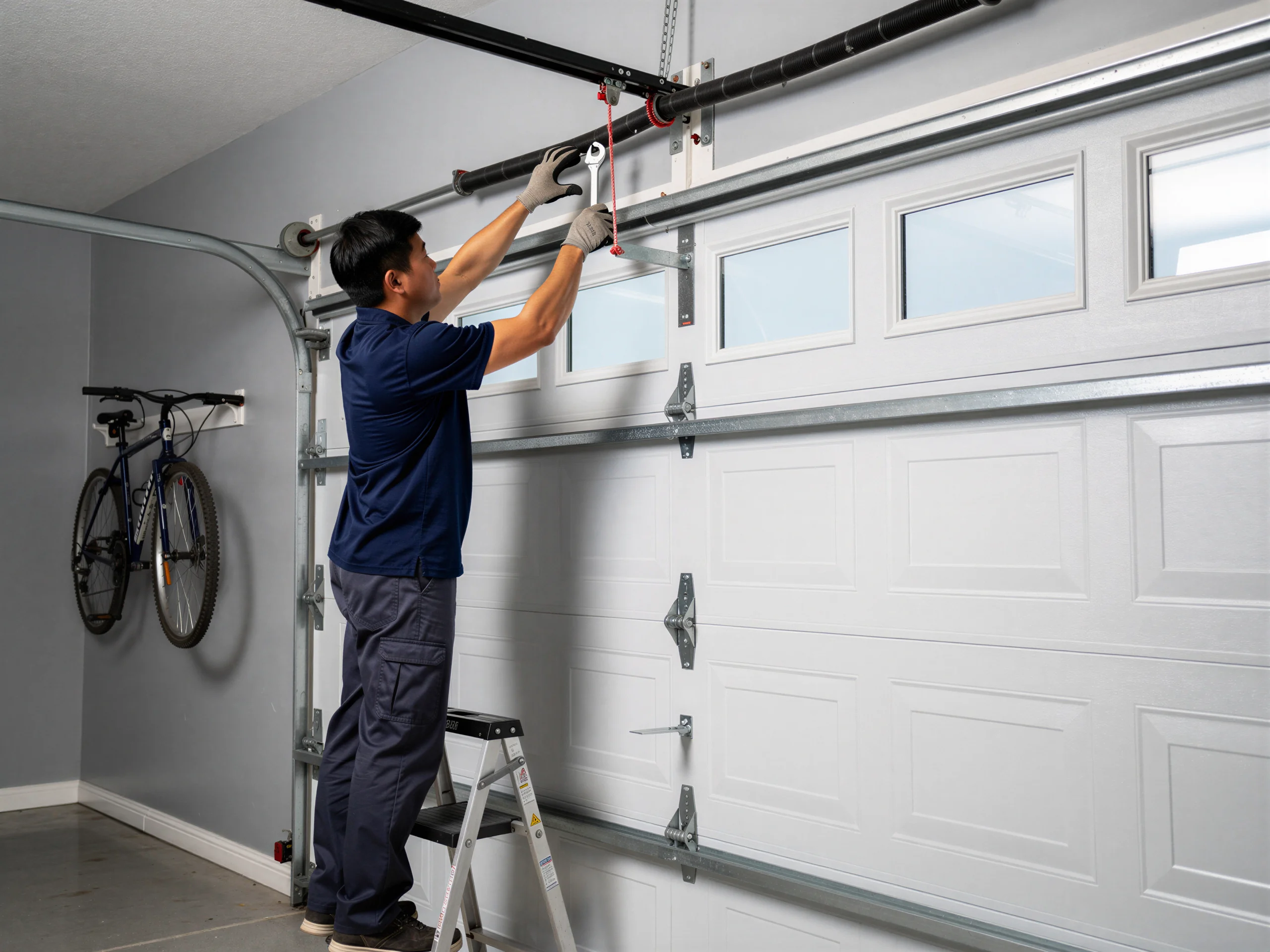
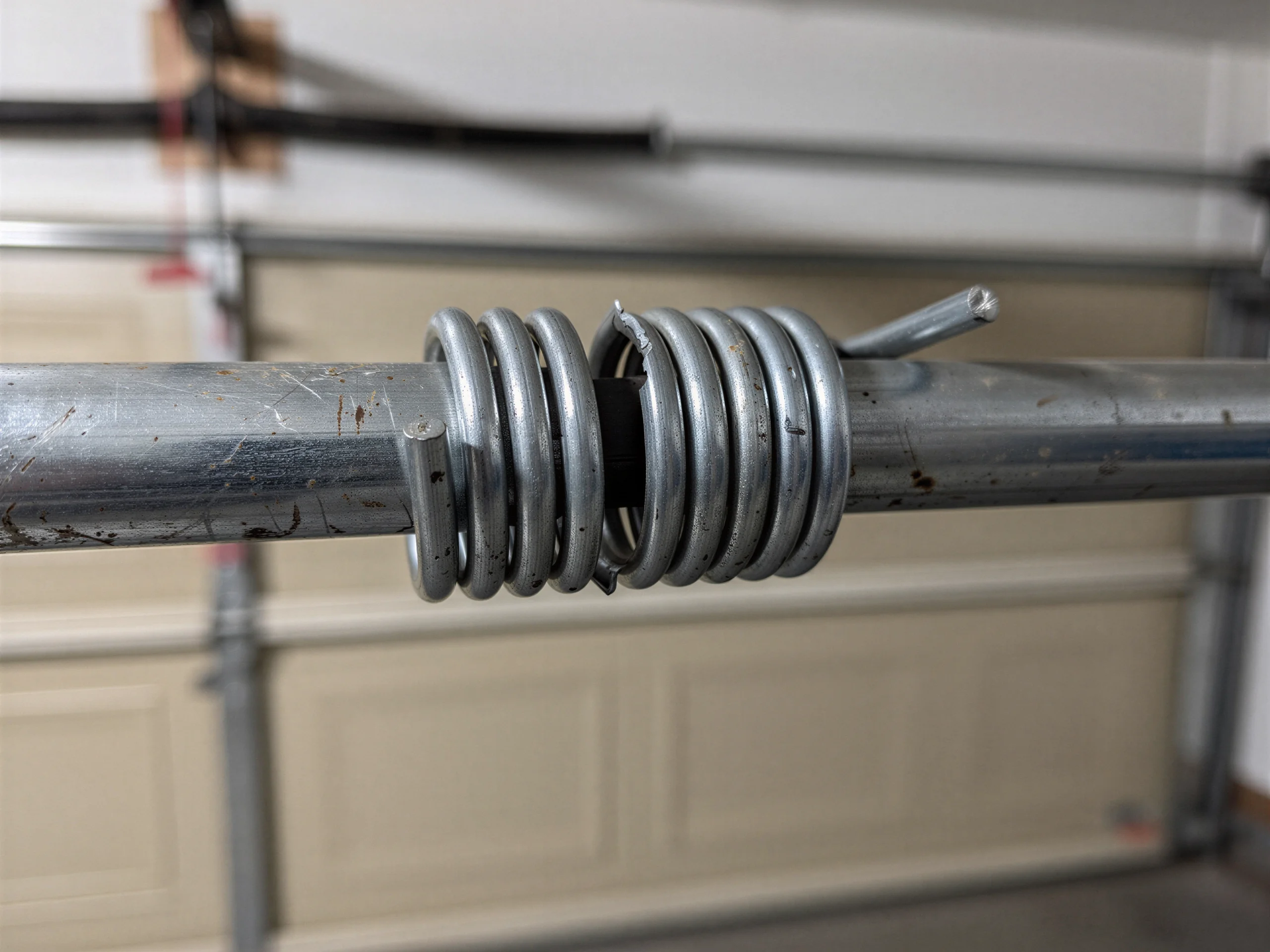
On a door this old, the symptoms stack. Torsion springs rated for 1960s door weights don't match today's insulated steel panels if someone swapped the door without upgrading the spring.
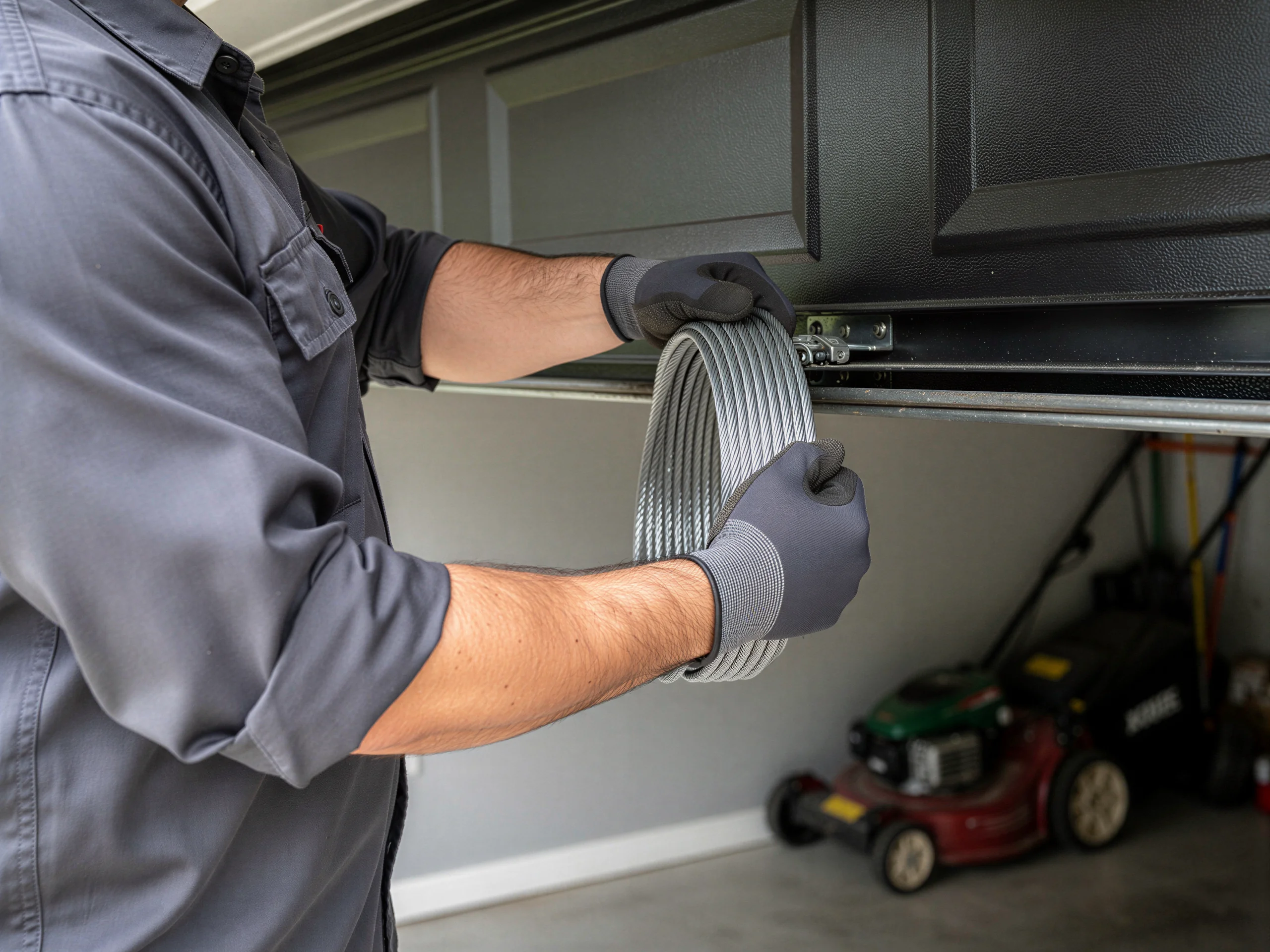
Corroded drum set screws
Track alignment drifts over fifty-plus years of settling, and on older homes here that settling is more pronounced than on newer slab construction elsewhere in the area. Rollers wear out of round. Cable drums corrode at the set screw.
Framing for narrower doors
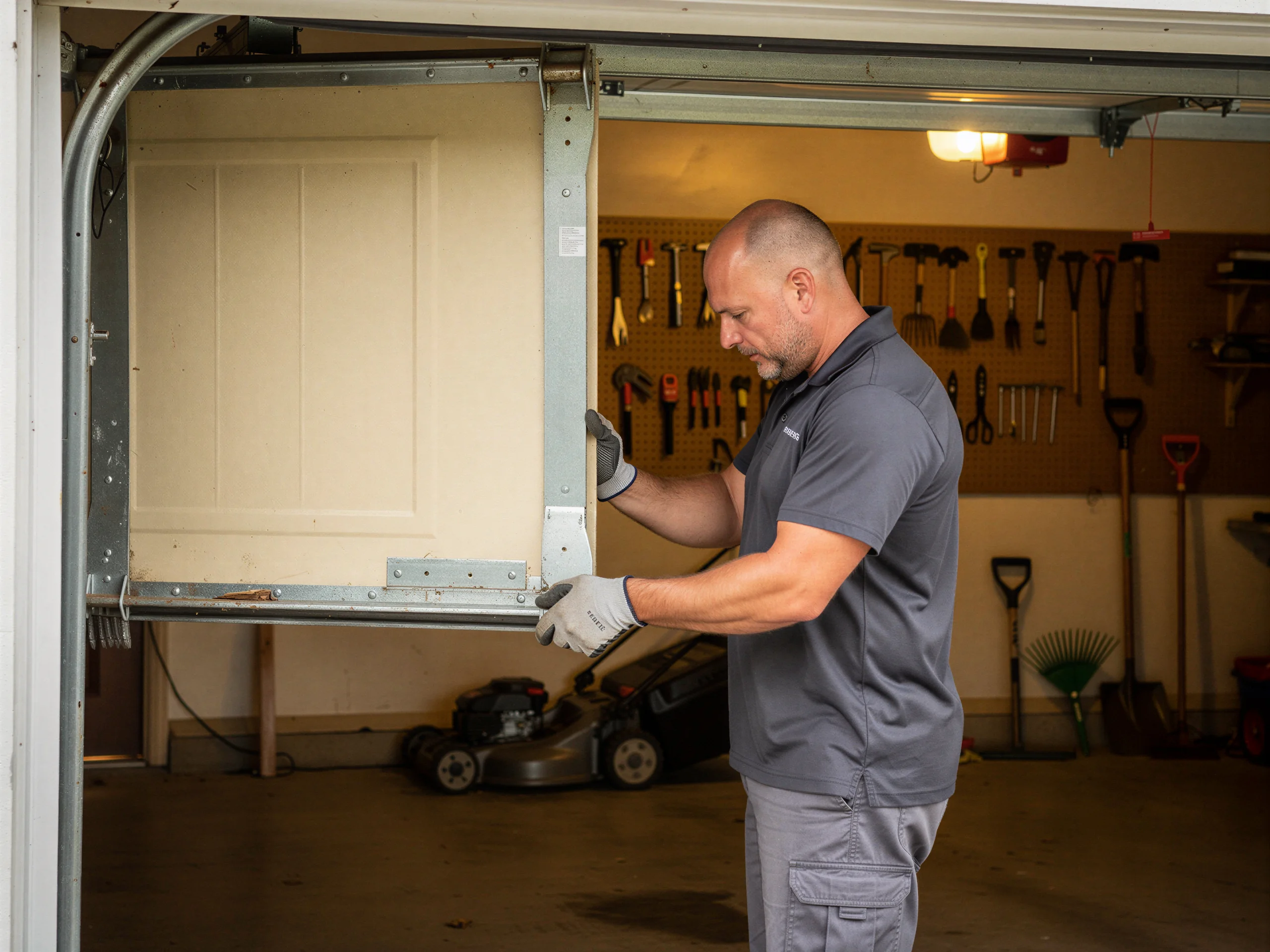
The bigger issue is sizing. A lot of 1966-vintage garages were framed for narrower, shorter doors than what's standard now, so a straight swap-in isn't always possible. We measure the opening, not just the door, before we quote anything.
Non-standardized door sizes
With only 4,047 households in Crestline, this isn't a market where production-builder door sizes were ever standardized the way they are in larger, newer subdivisions, so expect some variation house to house.
Doing It Yourself
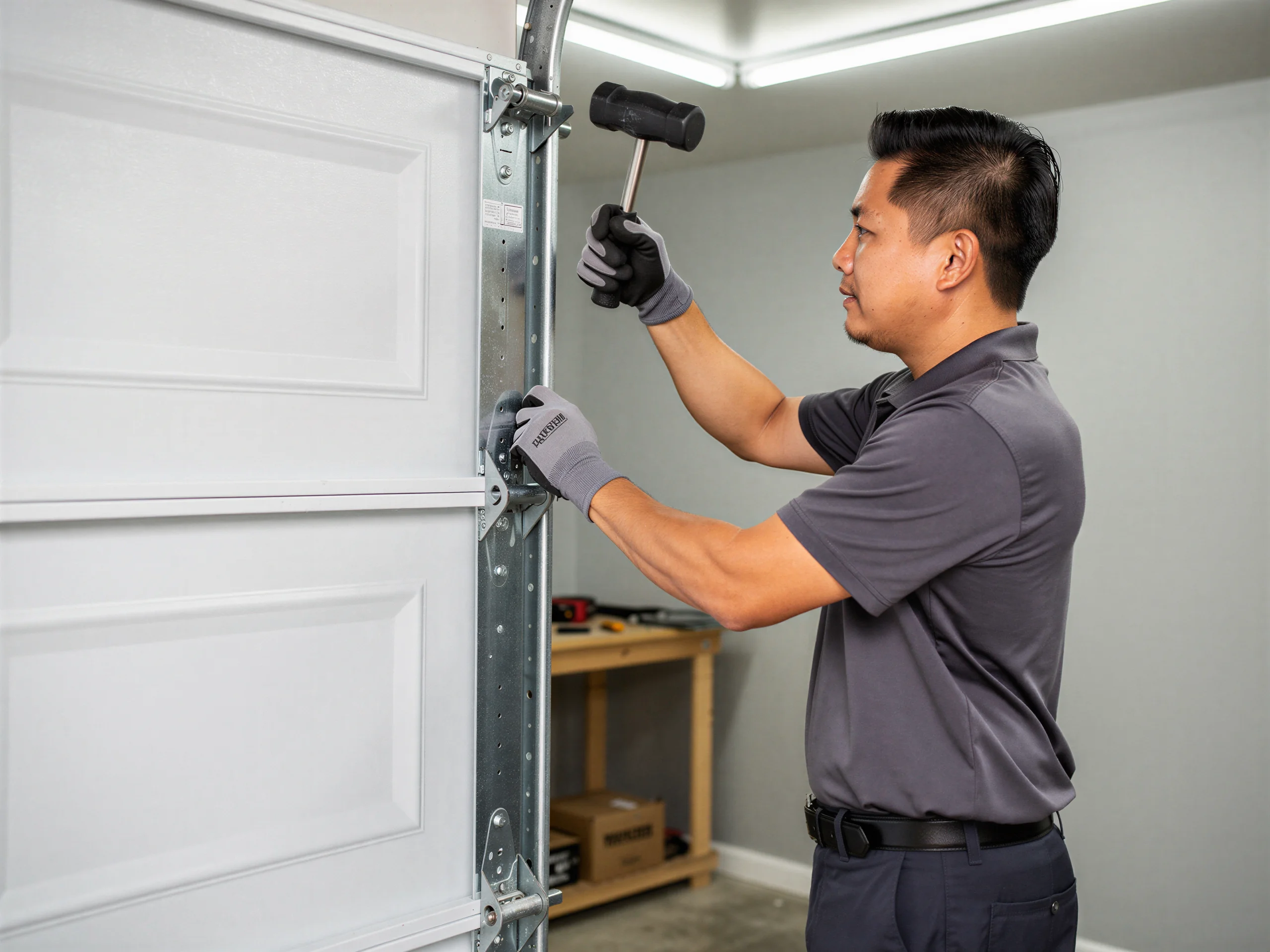
A new garage door install is not a weekend-kit job on a house this old, and we'll say that straight. The track has to square to an opening that's shifted over fifty-plus years, the header needs to take the new door's weight without sagging, and torsion spring tension on a double door can put someone in the ER if the winding bars slip. We don't talk anyone through that part over the phone.
What you can reasonably handle yourself: clearing the opening, pulling old trim, and deciding on the look and insulation level you want before we price it. Crestline sits roughly 19 miles out from Victorville, the farthest stop on our list, so we plan the full job in one visit rather than back-and-forth trips for measurements, decisions, and the install itself. Have your choice narrowed down before we arrive.
Stocked Parts
Because Crestline runs 19 miles from the shop, the truck gets loaded for the job before it leaves Victorville, based on the opening measurements and hardware condition we note on the first visit. For a 1966-era opening, that usually means bringing spring sizes and track hardware that newer-home jobs in the area don't call for as often, since most of what we stock day-to-day is sized for the 1980s-90s stock that makes up the bulk of the service area.
Median household income here runs $79,378, a bit above the $74,778 median across the wider service area, and that does factor into what we quote for insulation tier and panel finish, since better-spec doors cost more up front. What we can't do is promise a same-day swap on an unusual opening size without confirming stock first. If your garage was built narrow or short for its era, we order to match rather than force a standard size into a non-standard frame.
Talk to a local pro
Garage door service in Victorville?
Same-day service with honest, upfront quotes.